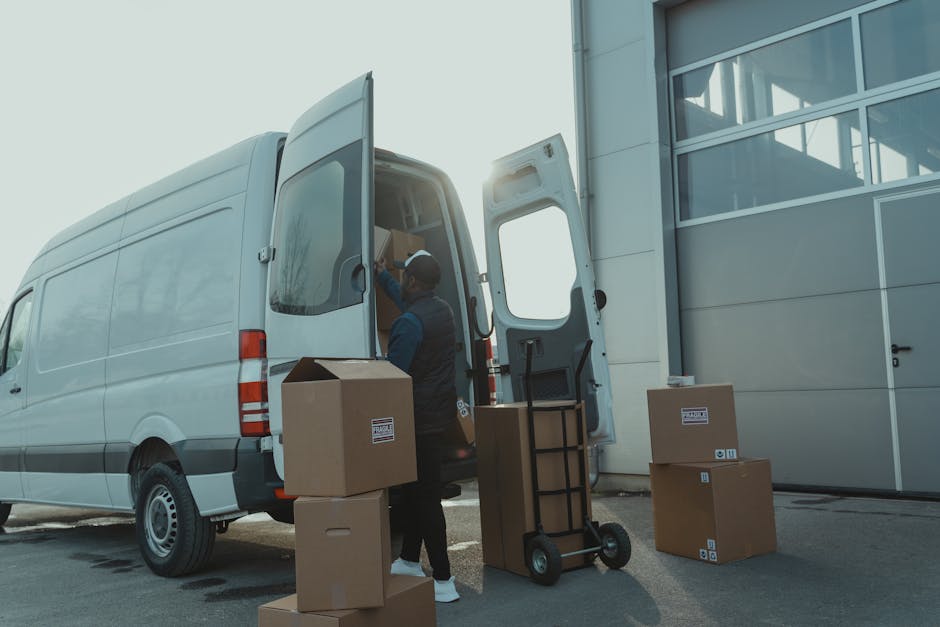
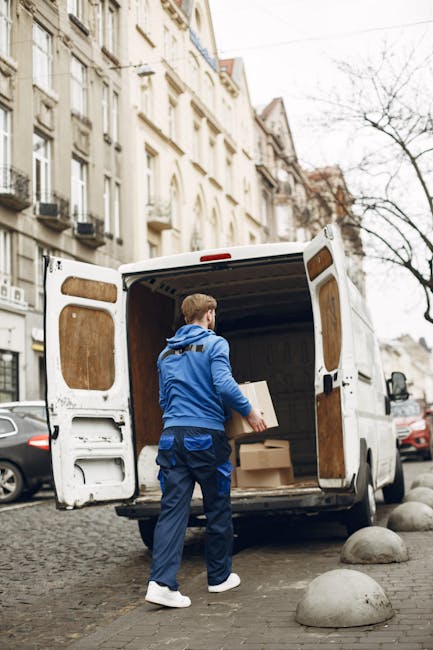
Lonsdale Road man with van parking and loading tips
If you are planning a move on a narrow London street, the small details matter more than people expect. With Lonsdale Road man with van parking and loading tips, the real win is not just getting a van to the address, but doing it without blocking traffic, stressing neighbours, or losing time hunting for space. A good loading plan can save you from last-minute headaches, awkward double-parking, and that slightly grim feeling when a driver is circling the block with boxes in the rain.
This guide is written for people who want a smooth, practical move on or around Lonsdale Road in Castelnau. We will cover where parking usually goes wrong, how loading works in the real world, what to prepare in advance, and how to make a man and van job feel calm rather than chaotic. Truth be told, the difference between a smooth move and a messy one is often just ten minutes of planning.
For readers comparing services, it can also help to understand how a proper man with van service fits into a street-level move, especially when access is tight and timing is everything.
Table of Contents
- Why Lonsdale Road man with van parking and loading tips Matters
- How Lonsdale Road man with van parking and loading tips Works
- Key Benefits and Practical Advantages
- Who This Is For and When It Makes Sense
- Step-by-Step Guidance
- Expert Tips for Better Results
- Common Mistakes to Avoid
- Tools, Resources and Recommendations
- Law, Compliance, Standards, or Best Practice
- Options, Methods, or Comparison Table
- Case Study or Real-World Example
- Practical Checklist
- Conclusion
- Frequently Asked Questions
Why Lonsdale Road man with van parking and loading tips Matters
Lonsdale Road is the kind of place where a move can become complicated fast if parking is treated as an afterthought. Streets in this part of London can be busy, with parked cars, neighbours coming and going, cyclists, delivery vans, and the occasional driver who definitely believes the road was designed just for them. If your van cannot stop close to the property, loading becomes slower, heavier, and riskier.
That matters for three reasons. First, every extra minute adds pressure. Second, the longer a van sits in a tight space with doors open, the more likely it is to draw attention, block visibility, or annoy residents. Third, lifting furniture and boxes further than necessary increases the chance of damage. Not dramatic, just practical. A good parking setup makes the whole job safer and more efficient.
There is also the local access issue. If you are moving from a terrace, flat, or converted property, the path from front door to vehicle may be short in distance but awkward in shape. A few steps down from the property, a narrow pavement, a turn by a gate, or a bend in the road can all affect how you load. So yes, parking tips sound simple. On a street like this, they are not simple at all.
Expert summary: The best Lonsdale Road moves are usually the ones where the van is parked legally, close enough to the entrance, and loaded in a steady order. Simple idea. Big difference.
How Lonsdale Road man with van parking and loading tips Works
In practice, the process is about planning the van position, preparing the load order, and protecting time on both ends of the move. A man with van team will usually arrive, assess access, and place the vehicle where it can load safely without obstructing the street more than necessary. On a road like Lonsdale Road, that often means thinking carefully about the direction the van faces, how doors can open, and whether there is enough room to move items straight from the property into the vehicle.
The loading part should follow a sequence. Heavier items go in first, usually at the front of the van and on the floor. Softer items, stacked boxes, and lighter belongings fill the gaps. Fragile items need their own careful corner or dedicated crate area. If a team is carrying furniture, they will often use blankets, straps, and trolleys to keep everything steady. That is the part many people overlook. The lift is only half the job; the securing is what stops trouble later on the road.
Parking and loading also depend on timing. A mid-morning slot may be easier than a school-run hour or the busiest commuter window. Early starts can help, but only if everyone is actually ready. No one needs a perfectly parked van and a household still hunting for shoes, keys, and the kettle cable. We have all seen that scene, and it is always a bit chaotic.
If the move involves furniture collection or disposal alongside loading, a service such as furniture pick up can be useful where the workflow needs to stay clean and quick.
Key Benefits and Practical Advantages
Good parking and loading planning gives you more than convenience. It improves the whole shape of moving day.
- Less carrying distance: Fewer steps between the front door and the vehicle means less strain and fewer knocks to walls, bannisters, and door frames.
- Faster turnaround: A van parked in the right place loads more quickly, which matters if the street is tight or time-limited.
- Lower damage risk: Furniture, mirrors, TVs, and boxed items are less likely to be dropped when the route is shorter and clearer.
- Better neighbour relations: Calm, efficient loading is simply less disruptive. People notice that.
- More predictable costs: Efficient loading helps a move stay on schedule, which can reduce the chance of overtime or delay-related frustration.
There is a quieter benefit too: confidence. Once the van is properly placed and the first load is on board, the whole day feels less like a gamble. You can breathe a bit. That matters more than people admit.
Who This Is For and When It Makes Sense
This advice is especially useful if you are:
- moving house on or near Lonsdale Road
- moving out of a flat with limited front access
- collecting a sofa, bed, wardrobe, or bulky item
- coordinating a same-day or short-notice move
- helping a family member relocate with minimal disruption
- trying to manage a move without a full-size removal lorry
It also makes sense if you are comparing a full removal crew with a smaller local vehicle. A smaller setup can be ideal where access is tighter, and where you do not actually need a large truck. If the move is only a few rooms, or a single property to storage, a man and van arrangement can be a sensible middle ground.
Let's face it, not every move needs a grand logistical production. Sometimes you just need the right-sized vehicle, a sensible loading plan, and someone who knows how to park without turning the street into a traffic puzzle.
Step-by-Step Guidance
1. Check the access before moving day
Walk the route from the front door to the street. Look for steps, tight turns, low branches, narrow pavements, slopes, or parked cars that may affect loading. If you are in a flat, check whether there is a shared entrance or any restrictions on using the hallway. A two-minute look now can save twenty minutes later.
2. Decide where the van is most likely to stop
Think about the side of the road, the direction of travel, and how easy it will be to open the rear doors safely. If the pavement is narrow, it may help to park so that loading does not force you into an awkward lift across the kerb. If the property entrance is tucked away, a driver may need to arrive a little earlier to assess the best spot.
3. Prepare items in loading order
Group boxes by room, label them clearly, and set aside the first things you will need at the destination. Put essentials somewhere easy to reach: kettle, phone charger, documents, keys, basic tools, and a change of clothes if needed. The van should not become a treasure hunt. That way lies annoyance.
4. Load the heaviest items first
Start with appliances, heavy boxes, and furniture bases. Build a stable layer. Then fill gaps with medium items. Finish with light, delicate, or irregular items. This is standard practice because it keeps weight balanced and reduces shifting in transit.
5. Protect items during the lift
Use blankets, covers, straps, and proper grip technique. Items should be carried with the route in mind, not just from the door to the van. If there is a tight corner, plan it before you lift the item. A pause for five seconds is better than scraping a wardrobe down the hallway. Really, it is.
6. Secure the load before departure
Once everything is in the van, check that nothing can slide, topple, or shift. This matters even on short trips. A van that is neatly packed at the start can still become messy if items are left loose.
7. Do a final street check
Before driving off, check that doors are shut, the pavement is clear, and nothing has been left behind. People forget things in doorways all the time. Tape, keys, cushions, a child's toy, that one stubborn drawer handle... it happens.
Expert Tips for Better Results
After many street-level moves, a few patterns become obvious.
- Book with access in mind, not just volume. A lightly loaded move can still be difficult if parking is poor.
- Keep the first-load items by the exit. The heavy pieces should not be buried behind boxes of books and lampshades.
- Use one person as the gatekeeper. Someone should manage the flow from house to van so people do not bump into each other.
- Protect corners and handles. A lot of damage happens at the point where a sofa edge catches a wall or a doorframe.
- Avoid overfilling the pavement space. Be careful with pedestrians, pushchairs, and neighbours coming through. It sounds obvious. Still gets missed.
- Plan for weather. Wet pavement, drizzle, or a gusty afternoon can slow loading far more than expected. London weather likes to be difficult at exactly the wrong moment.
One small but useful habit: keep a bag for screw packets, Allen keys, and loose fittings. It saves that strange end-of-day search where everyone is staring at the floor asking, "Has anyone seen the bolts?"
If you are moving office gear or mixed household items, packing and unpacking services can also support a cleaner, faster workflow when time on the street is limited.
Common Mistakes to Avoid
Some mistakes are tiny in theory and annoying in practice. The usual suspects are these:
- Leaving parking decisions until arrival. On a busy street, that can mean several extra minutes of circling.
- Assuming there will always be space directly outside. Sometimes there will not. Have a fallback spot in mind.
- Loading in the wrong order. If the last item in is the first thing needed at the other end, you have created work for yourself.
- Forgetting fragile-item protection. A blanket is not fancy, but it beats a cracked frame.
- Not checking door widths and stair turns. That wide wardrobe may be a fine piece of furniture, but it does not negotiate well.
- Blocking the path for too long. Keep the street flow in mind and work steadily.
Another common issue is underestimating how long a small move takes. "It's only a couple of trips" often sounds good until you are carrying a sofa down a narrow hall and someone realises the lift is not actually working. Small move, big mood shift.
Tools, Resources and Recommendations
You do not need a warehouse of specialist kit, but a few tools make a huge difference on Lonsdale Road.
| Tool / Item | Why it helps | Best for |
|---|---|---|
| Furniture blankets | Protects wood, paintwork, and soft furnishings during lifting and transit | Sofas, tables, wardrobes, delicate surfaces |
| Ratchet straps | Keeps the load stable in the van | Mixed loads and longer trips |
| Moving trolley | Reduces carrying strain and speeds up heavy-item moves | Fridges, boxes, appliances |
| Labels and marker pens | Makes room sorting much easier | Any home or office move |
| Floor protectors | Helps prevent scuffs and dirt in entrances | Flats, shared entrances, clean properties |
| Basic toolkit | Useful for dismantling beds, tables, and shelving | Furniture that needs partial disassembly |
It is also smart to compare move types before booking. A larger vehicle is not always better. A moving van can be the sweet spot for local access, while a more substantial moving truck may suit bigger house moves with easier loading space. The best choice is the one that fits your street, your volume, and your timing.
For people still planning budget and scope, pricing and quotes can help you frame expectations without guessing. And if you are comparing full move options, removal services gives a broader picture of what can be covered.
Law, Compliance, Standards, or Best Practice
Parking and loading in London should always be handled with local rules and common-sense road safety in mind. Exact restrictions can vary by street, bay, time of day, and local traffic arrangements, so it is always wise to check the specific situation before the move. That is especially true if you expect to stop in a permit area, near yellow lines, or in a place where access is tight.
Best practice usually includes:
- parking legally and without unnecessary obstruction
- keeping pavements and entrances clear where possible
- loading efficiently to minimise disruption
- using safe lifting techniques and suitable equipment
- making sure items are secured before the van moves
If you are moving valuable or heavy items, it is also sensible to understand the provider's approach to safety and handling. A reputable team should be able to explain how they manage lifting, packing, transit protection, and vehicle security in plain English. If that conversation feels vague, trust your instincts. Vague is not what you want on moving day.
For peace of mind, readers may also want to review insurance and safety alongside health and safety policy. Those pages are useful if you want to understand how a move is handled responsibly, not just quickly.
Options, Methods, or Comparison Table
Choosing the right approach depends on the size of the move, the street layout, and how much help you want. Here is a simple comparison.
| Option | Best for | Strengths | Trade-offs |
|---|---|---|---|
| Man and van | Small to medium moves, local loading, tight streets | Flexible, usually easier to park, practical for short distances | Less capacity than a large removals vehicle |
| Full removal team | Larger homes or more complex jobs | More hands, more equipment, better for bulky contents | May need more access space and coordination |
| Self-load rental | People who want to handle everything themselves | Control over timing and packing | Harder physically, more risk of damage, more stress |
On a road like Lonsdale Road, a smaller vehicle can often be the most practical choice because it gives you more flexibility with stopping positions. That does not mean "smaller" is automatically better. It just means access should be judged alongside volume. If you are only moving furniture from one home to another nearby, a streamlined local arrangement often works best.
Case Study or Real-World Example
Here is a realistic example from a typical local move, without dressing it up too much.
A small family moved out of a first-floor flat on a London street with limited frontage. They had a sofa, a bed frame, several stacked boxes, and a few fragile items. The first plan was to have the van arrive and "find space." That sounds harmless until the road starts filling with resident parking and another delivery vehicle is already waiting.
Instead, the driver arrived a little earlier, checked the street, and positioned the van where loading could happen with the least disruption. Two people carried the lighter boxes while one handled the heavier items and kept the flow moving. The sofa was wrapped, the bed dismantled in advance, and the fragile items were loaded last into a separate protected area.
The move still took effort, of course. Moving always does. But it finished without repeated repositioning, without arguments over parking, and without that awful feeling that everything was taking twice as long as expected. The family noticed the biggest win only at the end: they were not exhausted by avoidable friction. That is the sort of result good parking and loading planning delivers.
Practical Checklist
Use this checklist the day before and on the morning of the move.
- Confirm the moving time and expected arrival window
- Walk the route from the property to the street
- Identify the best and backup parking position
- Separate fragile items from general boxes
- Label boxes by room
- Disassemble furniture that will not pass through doors safely
- Pack tools, charger cables, and documents in one easy-to-reach bag
- Keep blankets, straps, and trolley ready if available
- Check whether the street has any time-sensitive parking or loading constraints
- Clear the hallway and entrance so the loading route stays open
- Make sure someone is available to guide the process
- Do a final sweep of cupboards, shelves, and behind doors
Quick takeaway: if you prepare the route, the load order, and the parking plan in advance, the move usually feels half as stressful. Not perfect. Just much easier.
Conclusion
Lonsdale Road man with van parking and loading tips are really about reducing friction. The goal is not to turn moving day into something glamorous. It is to keep the van close enough, the loading steady, the street considerate, and the whole job calm enough to manage without panic. That is what good local moving looks like in practice.
If you remember only one thing, make it this: the move starts before the van arrives. A few sensible decisions about access, parking, and load order will do more for your day than last-minute rushing ever will.
Get a free quote today and see how much you can save.
And if the move feels a bit bigger than you first thought, that is fine. It happens all the time. Take it one step at a time, and keep the kettle ready for the other end.
Frequently Asked Questions
What is the best way to park a man with van on Lonsdale Road?
The best approach is usually to park as legally and as close to the property as possible while leaving enough room for safe loading. If the street is busy or narrow, arrive early enough to assess the access rather than guessing on arrival.
How early should I prepare for loading?
Ideally, most items should be packed and staged the day before. On the morning itself, the final prep should be small and practical: essentials bag ready, furniture protected, and boxes grouped by room.
Is a man and van suitable for a flat move on a tight London street?
Yes, often it is. A smaller vehicle can be much easier to position on a street with limited space, especially for first-floor flats or moves with only a few large items.
What items should be loaded first?
Heavy, stable items should go in first. That usually means appliances, solid furniture, and the heaviest boxes. Lighter and fragile items should come later, once the base load is secure.
How do I avoid blocking the road during loading?
Work with a clear order, keep the loading route uncluttered, and use a parking position that allows the vehicle to be filled efficiently. A coordinated approach prevents the stop-start shuffle that frustrates everyone.
Do I need to dismantle furniture before the move?
Only where it helps with access or safety. Beds, tables, and some shelving often move better when partly dismantled. If an item fits safely without dismantling, there is no need to overcomplicate it.
What should I do if there is no space directly outside?
Have a backup parking position in mind and be ready to carry items a little further. It is better to plan for a short walk than to waste time hoping a space appears at the last minute.
Are there any special safety tips for loading heavy items?
Yes. Use two people where needed, lift with the legs, keep the route clear, and use equipment like trolleys or straps where appropriate. Heavy items should never be rushed through narrow gaps.
How can I protect fragile items during loading?
Wrap them properly, keep them separate from dense boxes, and avoid placing weight on top of them. Mark those boxes clearly so they stay visible and are handled with care.
What is the main mistake people make on moving day?
Underestimating access. People often focus on how many items they have and forget about where the van will stop, how far items must be carried, and whether the loading route is actually clear.
Should I choose a larger van just in case?
Not always. A larger van can be harder to position on a narrow street, so it is worth matching the vehicle size to both the load and the access. Sometimes a smaller, smarter setup is the better choice.
Can I combine furniture collection and moving in one trip?
Yes, if the load is planned carefully. Combining jobs can save time, but only if the van is packed in a sensible order and the items at each stop are organised in advance.
Where can I learn more about move preparation?
Helpful next steps include reviewing practical packing guidance, service options, and the provider's safety and pricing information. If you want a broader moving overview, the site's removals page is a useful place to start.
What if I need help with a same-day move?
Same-day moves can be possible when access, timing, and load size all line up. The key is to stay realistic about what needs moving and to keep the loading route simple. A calm plan beats a rushed one every time.
Is it worth getting help for a small move?
Often, yes. Even a small move can be tiring if parking is awkward or if there are stairs, narrow corridors, or bulky furniture. A little help can save a lot of stress, and sometimes your back will thank you for it later.