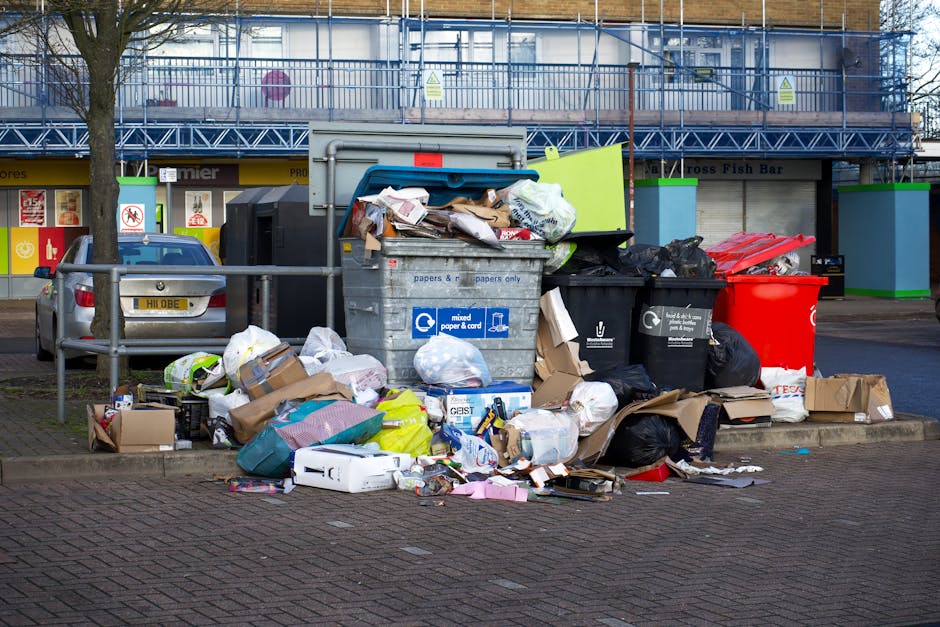
Skip Hire vs Council Collection in SW13: Legal Limits
If you are clearing a flat, tackling a renovation, or just staring at a pile of old furniture that has somehow multiplied overnight, the choice between skip hire and council collection can feel oddly complicated. In SW13, it is not just about what is easiest. It is also about legal limits, permit rules, what you can and cannot throw away, and how much hassle you want to carry on your own shoulders. Skip Hire vs Council Collection in SW13: Legal Limits is really about making the clean-up lawful, practical, and less stressful than it first looks.
There is a sensible answer for most jobs, but it depends on volume, timing, access, and whether the waste sits in a driveway, on the street, or needs lifting from inside the property. This guide breaks the issue down in plain English, so you can choose the safer option without overpaying or accidentally falling foul of local rules.
Expert summary: if you have a small, manageable amount of waste and can follow the council's rules, collection may be fine. If you have bulky, mixed, or time-sensitive waste, skip hire or a removals-style collection is often more efficient. The real key is understanding the legal limits before you book anything.
Table of Contents
- Why Skip Hire vs Council Collection in SW13: Legal Limits Matters
- How Skip Hire vs Council Collection in SW13: Legal Limits Works
- Key Benefits and Practical Advantages
- Who This Is For and When It Makes Sense
- Step-by-Step Guidance
- Expert Tips for Better Results
- Common Mistakes to Avoid
- Tools, Resources and Recommendations
- Law, Compliance, Standards, or Best Practice
- Options, Methods, or Comparison Table
- Case Study or Real-World Example
- Practical Checklist
- Conclusion
- Frequently Asked Questions
Why Skip Hire vs Council Collection in SW13: Legal Limits Matters
Waste disposal sounds like a simple logistics problem until the legal side appears. Then suddenly you are dealing with placement rules, permit issues, fly-tipping risk, restricted materials, and the awkward question of who is actually responsible once the rubbish leaves your front path. That is why this decision matters. A cheap-looking option can become expensive if it causes a parking issue, breaches local rules, or leaves you with waste that cannot be collected as planned.
In SW13, access can be tight in certain streets, and that changes everything. A skip might be ideal if you have enough room and need to fill it over several days. But if street space is limited, you may need a permit or another arrangement. Council collection can be tidy and convenient for smaller jobs, but it usually comes with strict booking, volume, and item limits. It is not the same as hiring a van and dumping everything outside. Let's face it, people often assume it is simpler than it is.
Another reason the topic matters is compliance. Waste produced by a household, landlord, or business must be handled properly. If you give waste to someone who is not authorised to carry or dispose of it correctly, you can create a chain of problems for yourself. That is one reason many people choose a professional collection service when the job is bigger than a normal council uplift. For a broader sense of how this fits into moving and property clearance work, you may also want to look at removal services and furniture pick up when the waste is really more about bulky items than bagged rubbish.
How Skip Hire vs Council Collection in SW13: Legal Limits Works
The two options work differently, and that difference is where most mistakes start.
Skip hire in simple terms
A skip is a container delivered to your property or sometimes placed on the road with the right permission. You fill it yourself, usually over a set period, and then it is collected when full or when the hire period ends. That makes it useful for larger projects, but it also means you are responsible for how the waste is loaded. Overfilling a skip, mixing prohibited waste into general rubbish, or placing it without proper permission can create trouble.
Council collection in simple terms
Council collection usually means a booked uplift of specific items or a limited amount of household waste. It is generally better suited to smaller clear-outs, odd bulky pieces, or situations where you do not want a container sitting outside. The trade-off is flexibility. The council sets the items, quantities, dates, and presentation rules. Miss one of those, and the collection may be refused. Bit frustrating, really, but that is how these services stay manageable.
Where the legal limits come in
The legal limits are not only about weight. They also involve:
- where the waste is placed
- whether a street permit is needed
- what waste types are allowed
- who is responsible for the waste
- whether the provider is properly licensed
- how the waste is secured and collected
If you are moving home at the same time, the picture gets even more practical. A property clearance may sit alongside packing, heavy lifting, or a last-minute van run, and that is where a structured service can help. Pages like home moves and man and van are relevant when you need transport as well as disposal.
Key Benefits and Practical Advantages
There is no universal winner here. The best option depends on what you are trying to achieve, and how fast.
| Option | Best for | Main advantage | Main limitation |
|---|---|---|---|
| Skip hire | Large clear-outs, renovations, mixed bulky waste | High capacity and flexible loading over time | May need a permit and space |
| Council collection | Smaller household clearances, a few bulky items | Simple for light, limited waste | Strict rules, booking windows, item restrictions |
| Professional removal collection | Time-sensitive or awkward loads | Waste is lifted, loaded, and taken away for you | May cost more than doing it yourself |
Skip hire advantages:
- handy for bigger projects
- lets you work at your own pace
- good when waste builds up over days
- fits mixed household and renovation debris, subject to rules
Council collection advantages:
- good for a smaller amount of waste
- does not leave a container outside for days
- often straightforward if you stay within the rules
- can be practical for people without a driveway or front space
Professional collection advantages:
- less lifting and less stress
- better for awkward furniture and heavy items
- useful when timing is tight
- works well when you want the waste cleared in one visit
In real life, people often move away from the council option once the pile includes mixed items, broken units, or heavy furniture. That is usually the point where a collection team or a man with van removal style service starts making more sense.
Who This Is For and When It Makes Sense
This topic matters to a wider group than you might think. Yes, it is relevant for homeowners, but also for landlords, tenants, estate managers, small businesses, and anyone dealing with a stressed-out room full of unwanted stuff.
Homeowners
If you are doing spring cleaning, clearing a loft, or replacing old furniture, you will probably need to decide how much waste is involved before anything else. A couple of items can be lifted into a council collection. A full garage, not so much.
Tenants and people moving out
Moving day has a habit of exposing everything you meant to deal with later. Broken shelves, old carpets, and that chair nobody wanted to claim suddenly need a legal disposal route. If the move itself is also in play, a team that handles lifting and transport can save a lot of time. That is where pages like house removals and house movers become useful contextually.
Landlords and letting agents
End-of-tenancy clearances can get messy fast. You may be dealing with left-behind possessions, damaged furniture, or waste that needs to be removed before cleaning begins. In those cases, the legal limit is not just about quantity; it is also about responsibility and timing.
Small businesses
Office clear-outs, shop refits, and storage room clean-ups often generate a mix of cardboard, desks, packaging, and bulky bits of kit. Council collections may be too limited, while skip hire can be awkward if access is restricted. For that type of job, commercial moves and office removals may be closer to what you actually need.
When it makes sense to choose each one
- Choose council collection if the load is small, tidy, and within the council's item limits.
- Choose skip hire if you have repeated waste over several days and enough space for placement.
- Choose a professional collection if you want the items removed quickly and do not want to load anything yourself.
Step-by-Step Guidance
If you want to make the right call without second-guessing yourself, follow this sequence. It sounds basic, but it saves a surprising amount of grief.
- Sort the waste into categories. Separate bulky household items, general rubbish, recycling, and anything that could be restricted or hazardous.
- Estimate the volume. Think in practical terms: a few bags, a roomful, or a multi-room clear-out? Size matters more than people expect.
- Check access. Can a skip be placed safely? Is there a driveway? Is there enough space to load waste without blocking the street?
- Consider the timing. If the job needs to be done quickly, council booking windows may be too slow.
- Review the legal limits. Confirm what can be collected, what cannot, and whether any permit or permission is needed.
- Choose the disposal route. Pick the option that fits the job, not the one that sounds cheapest on paper.
- Prepare the waste properly. Flatten boxes, remove loose sharp bits, and keep prohibited items out of the load.
- Keep proof where relevant. If a service provider is collecting waste, keep records of the booking or arrangement. It is just good practice.
A small observation from real jobs: the people who prepare waste before collection nearly always have smoother results. The ones who leave everything until the morning of collection? Usually a bit fraught, a bit rushed, and standing there with an open bin bag wondering what to do next. We have all been there in one form or another.
Expert Tips for Better Results
These are the sorts of details that make the difference between a tidy clear-out and a half-finished headache.
- Do not assume the council will take everything. Bulky, mixed, or awkward items often need a different solution.
- Avoid overfilling a skip. Waste should stay within the container's safe loading line. If it towers above the top, collection may be refused.
- Think about lift weight, not just volume. Old tiles, soil, bricks, and wet materials can be far heavier than they look.
- Separate reusable or recyclable items early. It is usually easier than sorting them later in a rush.
- Choose a provider that explains the process clearly. If the rules feel vague, that is a warning sign.
- Plan for parking and neighbours. A container or loading visit can create inconvenience if no one has thought about access.
If you are dealing with a move as well as waste, it can help to line up packing and lifting together. The pages on packing and unpacking services and moving van give a useful sense of how these jobs can sit side by side.
One of the quiet truths here is that "cheap" disposal is only cheap if it works the first time.
Common Mistakes to Avoid
Most problems with waste removal in SW13 come from a few repeat mistakes. Luckily, they are easy to avoid once you know them.
- Choosing the wrong service for the volume. A council collection for a full clear-out is often too limited. A skip for three items is overkill.
- Ignoring permit requirements. If a skip goes on public land without the right permission, that can become a costly mess.
- Mixing prohibited materials in with general waste. This can cause delays, extra charges, or collection refusal.
- Leaving the booking too late. Council slots and disposal schedules can book up quickly.
- Underestimating weight. Heavy waste is where budget plans quietly fall apart.
- Forgetting access issues. Narrow roads, parked cars, and low branches can change everything at the last minute.
- Not checking what happens after collection. Responsible disposal matters, not just removal.
To be fair, nobody wakes up excited to study waste rules. But a few minutes of planning saves you from that awful moment when collection day arrives and the job is not ready. Not ideal, really.
Tools, Resources and Recommendations
You do not need a complicated toolkit, but you do need a clear method. The best "resource" is usually a short checklist and a realistic estimate of what is going out.
Useful planning tools:
- measuring tape for bulky furniture and awkward items
- a pen and notepad for item lists
- bin bags or boxes for separating waste types
- a quick room-by-room walkthrough before booking
- photos of the waste pile if you want a clearer estimate
Practical recommendations:
- start with the biggest items first, because they drive the decision
- keep recyclable and general waste separate where possible
- ask whether the service covers lifting, loading, and disposal
- confirm the collection window before moving anything heavy outside
- read service terms carefully so you know what happens if access is poor or the load changes
It also helps to look at the broader service pages on removals near me and removal company if what you really want is a single provider who can handle the lifting, transport, and disposal side together.
Law, Compliance, Standards, or Best Practice
Waste disposal in the UK sits within a framework of legal responsibility and sensible practice. You do not need to become a lawyer to stay safe, but you should understand the basics.
Key compliance points include:
- waste should go to an authorised carrier or facility
- you should not leave rubbish where it creates obstruction or nuisance
- certain waste types need extra care or separate handling
- street placement may require permission or a permit
- you should follow the provider's loading rules and collection instructions
For homeowners, the main risk is usually accidental non-compliance rather than deliberate wrongdoing. A skip in the wrong place or a bad mix of waste can be enough to create a problem. For businesses, expectations are a bit stricter because commercial waste has its own responsibilities and paperwork habits. Nothing glamorous there, but important all the same.
Best practice is simple: choose a provider that explains the process, know what you are disposing of, and keep the booking details. If you are uncertain about a specific item, ask before it goes out. That small pause can save a lot of trouble.
Options, Methods, or Comparison Table
Here is the easiest way to compare the three common approaches for SW13 clear-outs.
| Factor | Skip Hire | Council Collection | Professional Collection |
|---|---|---|---|
| Best for volume | Medium to large | Small | Small to large |
| Speed | Moderate | Depends on booking availability | Usually fast |
| Effort required | You load the waste | You prepare and present it | Least effort for you |
| Access needs | Space for skip placement | Minimal storage space | Vehicle access helpful, but flexible |
| Risk of rule issues | Permit and loading concerns | Strict presentation and item limits | Lower if provider explains requirements clearly |
Short version: if the waste is modest and the council accepts it, council collection can be the neatest route. If the job is bigger or more awkward, skip hire or a direct collection service usually wins on practicality. That is the pattern we see most often.
Case Study or Real-World Example
Imagine a family in SW13 clearing a ground-floor flat after a long-overdue redecorating project. There are broken bedside tables, two mattress bases, several bags of mixed junk, and a stack of old shelves that turned out to be heavier than expected. On paper, it sounds like a simple council uplift. In practice, the items are varied, bulky, and too much to leave on the pavement in one go.
The family checks the council's restrictions and realises the job would need multiple steps, with some items unlikely to be accepted together. A skip would work, but there is limited frontage and parking is already tight. They end up choosing a collection service that removes the furniture and mixed waste in one visit. The difference is not just convenience. It avoids awkward loading, keeps the footway clear, and means the room is empty by lunchtime rather than still half-full by evening.
That kind of outcome is common. People often think they are deciding between two nearly identical options. They are not. The right choice is usually the one that fits the space, the volume, and the timing without creating extra friction.
Practical Checklist
Use this before you book anything.
- Have you identified exactly what needs removing?
- Is the load small enough for council collection?
- Will a skip fit safely on your property or with permission in place?
- Do any items need special handling?
- Have you checked whether the waste includes heavy or restricted materials?
- Can you meet the collection day and presentation rules?
- Do you know who is responsible for loading and disposal?
- Have you compared the time, effort, and likely inconvenience?
- Is access narrow, busy, or likely to cause parking issues?
- Have you read the provider's terms and conditions?
If you can answer those questions cleanly, your decision becomes much easier. If not, pause and reassess. A ten-minute rethink now is better than a mess on the kerb later.
Conclusion
Skip hire and council collection each have a place in SW13, but the legal limits are what separate a smooth job from a frustrating one. The main thing is not to think only about price. Think about access, volume, timing, permitted waste types, and whether you want to handle lifting yourself. That is where the best decision appears.
For smaller, straightforward loads, council collection can be ideal. For bigger, messier, or time-sensitive clear-outs, skip hire or a professional collection service is usually more practical. And if your job sits somewhere in the middle, the safest choice is often the one that reduces stress rather than the one that looks cheapest at first glance.
Get a free quote today and see how much you can save.
When the waste is gone and the space opens up again, the whole place feels lighter. Fresh air, less clutter, fewer decisions hanging over you. Honestly, that moment is worth quite a lot.
Frequently Asked Questions
What is the main difference between skip hire and council collection in SW13?
Skip hire gives you a container for larger, ongoing waste over a hire period, while council collection is usually for smaller booked uplifts with tighter limits on item types and volume.
Do I need permission to place a skip on the road in SW13?
If the skip sits on public land, permission or a permit is often required. The exact process depends on location and placement, so it should be checked before booking.
Can the council take bulky furniture from my home?
Sometimes, yes, but only within the council's item rules and booking terms. Large or awkward items may be limited, refused, or require a different disposal method.
Is skip hire always cheaper than council collection?
Not always. The cheaper option depends on the amount of waste, access, permit needs, and whether you are handling the loading yourself. The headline price can be misleading.
What items are usually not allowed in a general skip?
Restricted items can include certain hazardous materials and other controlled waste types. Always check the provider's rules before loading anything unusual.
What happens if I overfill a skip?
Overfilling can cause collection refusal or extra charges. Waste should stay within the safe loading level so the skip can be transported legally and safely.
Can I mix garden waste and household rubbish in the same load?
Sometimes mixed loads are allowed, but not always in every service type. It is best to confirm beforehand, especially if the load includes soil, rubble, or heavier material.
How quickly can a council collection be arranged?
Timing depends on local availability and booking rules. Council collections can be convenient, but they are often less flexible than a private collection or skip hire.
What is the safest option if I have a lot of heavy furniture?
A professional collection is often the least stressful choice because the lifting and loading are handled for you. That matters if items are large, heavy, or awkward to move.
Does a removals-style service help with waste as well as moving?
Yes, in many cases it can. If you are clearing a property, moving house, or emptying furniture, a service linked to removals can be much more practical than arranging waste disposal separately.
What should I check before booking anything in SW13?
Check the waste volume, access, item types, permit needs, timing, and whether you want to do any lifting yourself. That quick review usually reveals the best option pretty fast.
When does professional help make the most sense?
It makes the most sense when the waste is bulky, the access is awkward, or you simply want the job completed without stress. For many people, that is the difference between a decent day and a very long one.