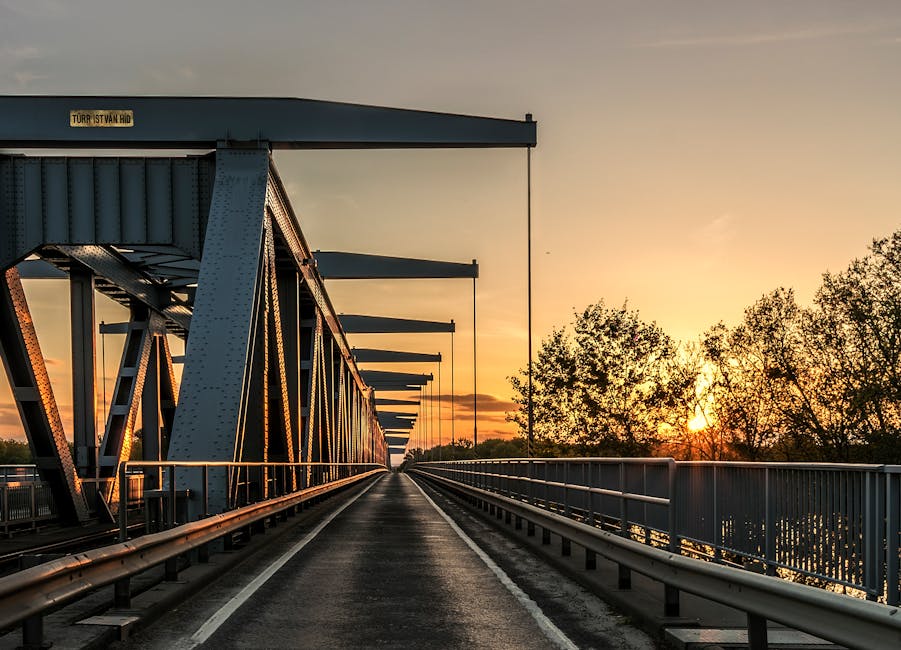
Barnes Bridge to Castelnau: Best Routes for Removals
Posted on 02/06/2026
If you are planning a move between Barnes Bridge and Castelnau, the route matters more than people often think. On paper it looks like a short hop across a familiar part of southwest London. In real life, though, removals involve narrow streets, parking headaches, low bridges, school-run traffic, and those awkward moments where a van is perfectly placed on the map but not quite in the right place on the road. This guide to Barnes Bridge to Castelnau: Best Routes for Removals breaks down the practical options, the trade-offs, and the bits that can make a move feel smooth instead of scrambled.
Whether you are moving a flat, a family home, a student room, or a few bulky items, the best route is not always the quickest one. Sometimes it is the one that gives the driver easier access. Sometimes it is the one that avoids a bottleneck near the river. And sometimes, truth be told, it is the route that keeps the whole move less stressful for everyone involved.
Expert summary: The smartest removal route is rarely just about distance. It is about access, loading space, parking certainty, timing, and the type of items being moved. Plan the route with the property, not just the postcode, in mind.

Why Barnes Bridge to Castelnau: Best Routes for Removals Matters
A removal route between Barnes Bridge and Castelnau is not just a line on a map. It affects timing, vehicle access, loading safety, and how much stress you feel on moving day. If you choose badly, even a short journey can become fiddly: one blocked road, one delivery van parked at the wrong angle, one missed parking spot, and the schedule starts slipping.
This stretch of southwest London has its own rhythm. Roads near the river can feel deceptively simple until peak traffic, local restrictions, or a tight turning point change everything. For removals, a few extra minutes on a calmer road can be worth far more than shaving off a small distance. That is especially true if you are moving fragile furniture, heavy appliances, or items that take time to carry from the front door to the vehicle.
There is also the human side. A move is already full of small decisions. Do you take the sofa out first? Can the van wait without blocking the street? Is the bed frame going to fit through the hall on the first go? Those questions stack up quickly. A route that is well planned eases the whole day, and you feel it almost immediately when the first load is out without drama.
For local moves like this, the best route is usually the one that balances road width, parking availability, and predictability. That may sound obvious, but in removals, obvious things are often the ones people forget under pressure.
How Barnes Bridge to Castelnau: Best Routes for Removals Works
The practical process is straightforward, even if the area itself can be a bit awkward at times. Start by looking at the journey not just from door to door, but from front door to vehicle position to unloading point. That is the real route.
For most removals between Barnes Bridge and Castelnau, the route choice depends on three things:
- Vehicle access: whether a van can stop close enough to the property without causing problems.
- Traffic conditions: whether school runs, commuter flow, or local pinch points will slow the move.
- Property layout: whether you are dealing with stairs, narrow corridors, or limited turning space.
A good removal team will usually do a quick route check before the day itself. That might involve looking for low-risk access points, considering the best time of day to travel, and checking if the van can park legally and safely at both ends. It is not glamorous work, but it saves time and avoids the classic moving-day panic where everyone is standing around asking, "Can we just leave it here for a minute?"
If you are handling the move yourself, a smart approach is to test the route with all the awkward parts in mind. Imagine carrying a mattress, a washing machine, or a heavy chest of drawers. Is the path wide enough? Are there corners that force a second lift? Does the unloading side give you space to work, or will you be carrying everything from a long distance? These details make or break a move.
For packing, it helps to prepare early and label clearly. A lot of frustration can be avoided by following practical packing advice for moving house and pairing that with good packing and boxes support in Castelnau. The cleaner the load, the quicker the route works in practice.
Key Benefits and Practical Advantages
The best route for a removal is about much more than saving a few minutes. It can improve the entire moving experience in ways people notice straight away. Here are the main advantages.
- Less wasted time: a direct, workable route reduces waiting around, especially when parking is tight.
- Lower risk of damage: fewer sudden turns, fewer last-minute manoeuvres, and less rushing around a blocked street.
- Better scheduling: when the route is predictable, the whole move becomes easier to plan.
- Reduced lifting strain: better access means fewer long carries and less heavy lifting.
- More control over the day: you can plan loading and unloading in a sensible order instead of improvising.
One underrated benefit is emotional. People underestimate how much calmer a removal feels when the van is parked properly and the team can move at a steady pace. You hear less clattering, less foot-dragging, less of that tense silence when something large is not fitting through a doorway. Nice, honestly.
There are also practical service advantages. If your move includes furniture, a piano, or specialist items, a route that supports controlled handling is crucial. For bigger pieces, it may be worth looking at furniture removals in Castelnau or, where needed, dedicated piano removal services so the journey and the handling method match the item.
Who This Is For and When It Makes Sense
This kind of route planning makes sense for almost anyone moving between Barnes Bridge and Castelnau, but it is especially useful in certain situations. If any of the following sounds familiar, you will want to think about route choice early.
- You are moving from a flat with limited parking nearby.
- You have bulky or delicate furniture that cannot be rushed.
- You are on a schedule, perhaps handing keys over the same day.
- You need to minimise trips because the move is time-sensitive.
- You are managing the move yourself and want to avoid unnecessary strain.
It also makes sense for people moving into smaller homes, shared accommodation, or student properties. The less room you have to manoeuvre, the more important the route and access become. A short move can still be a complicated move. That is the part people forget.
If you are simply shifting a few items, a man and van service in Castelnau may be enough. For full household moves, a broader house removals service can be the better fit. For smaller, more flexible jobs, a man with a van in Castelnau often provides the right balance of speed and practicality.
Step-by-Step Guidance
If you want the route to work properly on moving day, plan it in layers. Not exciting, but effective.
- Map both properties carefully. Look at the exact access points, not just the postcode. Where can the van stop? Where will the furniture leave the building?
- Check timing. Avoid peak school-run periods and times when the roads are likely to be busy. A slightly earlier start can save a lot of hassle.
- Think about the load. Large wardrobes, beds, sofas, and appliances need different handling. The route should support the objects you are carrying.
- Prepare the property. Clear hallways, remove trip hazards, and protect floors if needed.
- Load in the right order. Put the heaviest and least flexible items in first, then fill the gaps with boxed items.
- Confirm parking and stopping space. If possible, make sure the vehicle can stay close to the entrance long enough to avoid repeated lifting.
- Do a final walk-through. Check cupboards, loft space, under beds, and storage areas. People leave surprising things behind. Keys, chargers, the kettle, all the usual suspects.
For the packing stage, a little planning goes a long way. If you are unsure where to start, the guide on decluttering before a big move pairs nicely with moving house with less stress. They are simple ideas, but they clear clutter out of the way before the route ever becomes a problem.
And if you are moving a mattress or bed frame, do not leave that to the last minute. Beds are often the item that turns a tidy plan into a half-hour puzzle. The advice in relocating your bed and mattress is worth reading before you start dismantling bolts at 7am.
Expert Tips for Better Results
These are the sorts of things that make a move feel organised rather than merely possible.
First, do not overpack the van just because there is space. Space and stability are not the same thing. Furniture needs room to settle safely, especially on turns or over uneven road surfaces.
Second, protect your heavy items properly. A sofa dragged through a doorway or a freezer moved without proper preparation can be more trouble than the item is worth. For sofas, it helps to review how to preserve a sofa during storage. For cold appliances, storing a freezer correctly when not in use is a sensible read before any move or short-term storage.
Third, lift properly. Simple, yes. Still ignored far too often. If you are lifting on your own, the safer approach is to reduce load weight wherever possible and use your legs, not your back. If you want a refresher, the guides on solo heavy lifting techniques and kinetic lifting fundamentals are genuinely useful.
Fourth, consider the weather and the street surface. A wet pavement, a tight corner, or a slippery kerb can slow things down more than anyone expects. A move in the rain is not impossible, just more annoying. Little bit more annoying, anyway.
Fifth, clean before you leave. It sounds secondary, but it helps both the sale or handover and your own sanity. A clean exit makes the whole job feel complete. The article on house cleaning before relocating is a good final-stage checklist companion.
Common Mistakes to Avoid
Most moving problems are preventable. The issue is that people tend to spot them too late. Here are the big ones.
- Choosing the shortest route without checking access: the shortest way is not always the easiest for a van.
- Ignoring parking rules: stopping briefly is still not the same as stopping legally and safely.
- Leaving packing to the last minute: rushed boxes lead to damage and confusion.
- Forgetting awkward items: pianos, mirrors, freezer units, and bed frames all need extra thought.
- Overestimating what one person can safely lift: pride is not a moving method.
- Not checking the route for turns and restrictions: a road that looks fine on a map can be awkward in a van.
- Skipping the insurance conversation: if something goes wrong, you will want to know what is covered.
A very common one? People assume a move across a small local area does not need much planning. Then the van arrives and the closest legal stop is farther away than they hoped. Suddenly every box feels heavier. Every minute feels longer. Easy mistake, though, because short moves can look deceptively simple.
Tools, Resources and Recommendations
You do not need a mountain of specialist kit, but a few practical tools make the Barnes Bridge to Castelnau removal route much easier to manage.
- Sturdy packing boxes for books, kitchenware, and mixed household items.
- Furniture blankets to protect edges and finishes.
- Ratchet straps or tie-downs to keep larger items from shifting in transit.
- Furniture dollies or sack trolleys for heavier loads where floors and layouts allow.
- Protective wrap for sofas, mattresses, and fragile surfaces.
- Labels and markers for quick room-by-room sorting.
It also helps to work with a service that understands the local area and the realities of loading. If you want broader help, a dedicated removal service in Castelnau can coordinate planning, lifting, transport, and final placement. For more complete support, you may also want to review the wider services overview to see how each option fits different moving needs.
If storage is part of the picture, for example when completion dates do not line up, storage in Castelnau can bridge the gap neatly. That sort of flexibility is often the difference between a messy handover and a calm one.
Law, Compliance, Standards, or Best Practice
For local removals, the main compliance concerns are usually practical rather than complicated: road safety, parking regulations, manual handling best practice, and sensible insurance cover. If a van is stopping on a public road, the driver should do so lawfully and without creating unnecessary risk to pedestrians or traffic. That part is non-negotiable.
Manual handling is another key area. Even in domestic moves, the basic principle is simple: reduce risk wherever possible. That means using proper lifting technique, working in pairs for heavy items, taking breaks, and avoiding rushed twists or sudden lifts. If a load feels too awkward or too heavy, it probably is.
Insurance and safety should be discussed before moving day, not after. A professional provider should be able to explain how items are handled, what precautions are used, and what the general expectations are in case of damage or delay. If you want to understand these areas better, it is worth reading the site's insurance and safety information and checking the health and safety policy.
For payments and booking arrangements, clarity matters too. A straightforward quote, clear terms, and transparent payment steps reduce confusion and help you plan properly. That is why pages such as pricing and quotes and payment and security are worth reviewing before you commit.
Options, Methods, or Comparison Table
Different removal methods suit different situations. Here is a simple comparison to help you choose sensibly.
| Method | Best for | Strengths | Watch-outs |
|---|---|---|---|
| Man and van | Small to medium moves, single loads, quick transport | Flexible, practical, often cost-effective | May not suit very large or complex moves |
| Full house removals | Whole-property moves, families, multiple rooms | More support, better for planning and handling | Needs more coordination and usually more time |
| Flat removals | Homes with stairs, tight access, or limited parking | Good for urban access challenges | Requires careful route and loading planning |
| Same-day removals | Urgent relocations or time-sensitive handovers | Fast response, reduced waiting time | Less margin for last-minute changes |
If you are moving from a compact property or dealing with a tighter timetable, flat removals in Castelnau and same-day removals in Castelnau may be especially relevant. Students, in particular, often benefit from a lighter, quicker service model such as student removals in Castelnau.
Case Study or Real-World Example
Imagine a fairly typical local move: a one-bedroom flat near Barnes Bridge, with a sofa, bed frame, boxes of books, a small freezer, and a couple of fragile items that need a gentle touch. The route itself is not the problem. The challenge is access.
The resident has a narrow hallway, a staircase with a tight turn, and limited space outside for parking. On the face of it, the move looks quick. In practice, the team needs to choose a stopping point that avoids blocking the road, carry the larger items in a controlled order, and keep the van positioned so nothing has to be moved twice.
Here is what tends to work best in that kind of scenario:
- boxes loaded first, heavier items secured at the base of the van
- sofa and mattress wrapped to avoid scuffs
- freezer prepared in advance so it can be handled safely
- short carry distances planned before anything is lifted
- final unloading done room by room, not in a chaotic pile at the door
The difference is night and day. The move stops feeling like a scramble and starts feeling like a process. Not perfect, of course. Moves never are. But workable, calm, and much less tiring.
If a piano is part of the job, do not improvise. The article on why DIY piano moving can go wrong explains why specialist handling is worth considering. Some items simply deserve a different plan.
Practical Checklist
Use this checklist to keep the route, packing, and moving-day coordination under control.
- Confirm exact pickup and drop-off addresses.
- Check where the van can legally and safely stop.
- Review likely traffic pinch points and time your move accordingly.
- Measure awkward furniture and doorways if needed.
- Pack fragile items separately and label them clearly.
- Prepare sofas, beds, appliances, and any specialist items in advance.
- Arrange enough help for heavy lifting.
- Keep important documents, keys, chargers, and valuables with you.
- Review insurance, safety, and booking terms before moving day.
- Do a final sweep of cupboards, loft areas, and storage spaces.
One small but useful habit: keep a "first hour" box. Put in tea bags, mugs, toilet roll, a phone charger, snacks, and basic cleaning bits. It sounds trivial until you are standing in a half-empty kitchen wondering where the kettle went. Which happens more often than people admit.
Conclusion
The best route for removals between Barnes Bridge and Castelnau is the one that makes the whole move safer, smoother, and less stressful. That means thinking beyond distance. It means considering access, timing, parking, the size of the load, and the kind of property you are moving in and out of.
When you plan well, local removals feel far more manageable. You save time, reduce strain, and avoid the classic moving-day surprises that can turn a short journey into a long afternoon. A little structure goes a long way here. A very long way, actually.
If you are planning a move and want support that fits the property, the items, and the route, take a look at the relevant removal options, compare what you need, and build a plan around the realities of the street rather than the ideal version on the map. That is usually where the best results come from.
Get a free quote today and see how much you can save.
And if the day feels a bit overwhelming, that is normal. Take it one load at a time. The move will pass, and the new place will start to feel like home before you know it.