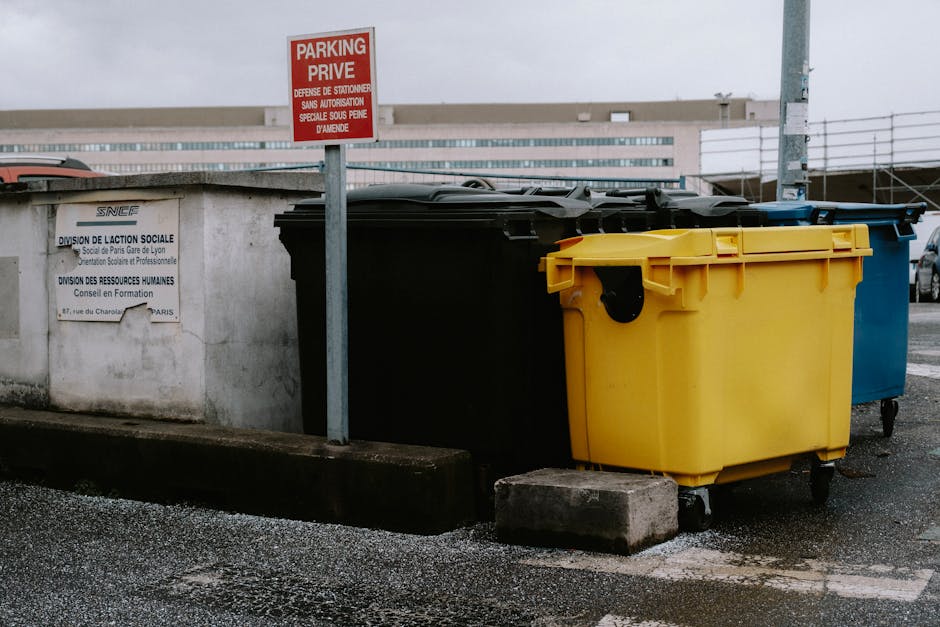
Castelnau Bulky-Waste Removals: Avoid Council Fines Without the Stress
If you have a broken wardrobe on the landing, an old sofa in the hall, or a pile of builder's offcuts that has quietly turned into a nuisance, you are not alone. Bulky waste has a habit of hanging around for longer than planned. And in Castelnau, that can become more than an eyesore if items are left out incorrectly or disposed of the wrong way. This guide to Castelnau Bulky-Waste Removals: Avoid Council Fines explains how to clear large items properly, reduce hassle, and avoid the kind of mistakes that can lead to unnecessary costs.
We will look at what counts as bulky waste, how responsible removal usually works, where people go wrong, and when it makes sense to bring in help. You will also find a practical checklist, a comparison table, and a few real-world examples from the kind of situations local households and landlords run into all the time. Nothing fancy. Just clear, useful advice that helps you get the job done properly.
- Why bulky-waste removals matter in Castelnau
- How the removal process works
- Key benefits and practical advantages
- Who needs this service and when it makes sense
- Step-by-step guidance
- Expert tips for better results
- Common mistakes to avoid
- Tools, resources and recommendations
- Law, compliance, standards and best practice
- Options and comparison table
- Case study or real-world example
- Practical checklist
- Frequently asked questions
Why Castelnau Bulky-Waste Removals: Avoid Council Fines Matters
Bulky waste is not just "stuff you no longer want." It is waste that is awkward to carry, too large for normal bins, and often expensive or risky to move without a plan. Think sofas, mattresses, beds, desks, freezers, broken cabinets, garden furniture, exercise equipment, and renovation leftovers. If you leave these items in the wrong place, outside for too long, or on a pavement without the right arrangement, you can end up with complaints, collection delays, or fines.
In a neighbourhood like Castelnau, where streets can be tight and access can be sensitive, the margin for error is smaller than people expect. A sofa left near a wall can block passage. A fridge dumped too soon can become a nuisance. A pile of household junk at the wrong time of day can attract attention fast. To be fair, most people do not mean to cause trouble. They just underestimate how bulky waste needs to be handled.
This is why the topic matters: the cheapest option is not always the safest one. A rushed clear-out can turn into a call-back, a penalty, or a scramble to move heavy items again. And if the item has to be lifted twice? That is exactly the kind of day nobody wants.
For readers who are already planning a larger move, it often makes sense to combine disposal with broader move preparation. A tidy, decluttered property is easier to clear. You may find our guide to decluttering before a big move useful, especially if bulky waste is part of a bigger clear-out.
How Castelnau Bulky-Waste Removals: Avoid Council Fines Works
The basic process is simple, though the details matter. First, identify what needs to go. Then separate reusable items from true waste. After that, choose the best removal route based on volume, weight, timing, and access. If an item can be reused or sold, do that first. If not, arrange a proper collection or removal.
In practical terms, bulky-waste removal in Castelnau usually falls into one of these patterns:
- Single-item removal for one awkward object like a mattress, wardrobe, or freezer.
- Partial household clear-outs after a tenancy change, refurbishment, or garage tidy-up.
- Full property decluttering before a move, sale, or probate-related clean-out.
- Mixed disposal and transport where some items are removed and some are moved to storage or another property.
The key thing is to avoid guessing. Bulky waste is not the place for "we'll just leave it out and see what happens." That approach can lead to delays, fly-tipping risks, or items lingering on-site far longer than they should. A clean plan protects both your property and your peace of mind.
If your bulky waste includes furniture that still has value or might be reused elsewhere, it can help to plan around other moving tasks too. For example, larger household pieces often travel better when they are prepared in advance, which is why our furniture removals in Castelnau page can be a useful next step if you are juggling disposal and relocation at once.
And yes, even the smallest detail can matter. I once saw a perfectly manageable clear-out turn into a messy afternoon because one old unit was still half-full of books. It looked light. It was not. The stairs said as much.
Key Benefits and Practical Advantages
Choosing the right bulky-waste removal approach is not only about avoiding a fine. That is part of it, certainly, but the benefits go a lot further.
1. Less disruption at home
Large waste items tend to sit awkwardly in hallways, gardens, garages, and spare rooms. Removing them properly frees space immediately. You can walk, clean, measure, and plan without stepping around a broken bed frame or a fridge that has become a permanent feature of the room.
2. Reduced risk of damage
Trying to drag a heavy item through a narrow doorway or down stairs can chip walls, scratch floors, and damage banisters. That is where professional handling or at least a planned approach makes a real difference. If you are dealing with heavier household pieces, our article on solo heavy lifting techniques may also help you understand where the risk starts to climb.
3. Better recycling outcomes
Not every bulky item should be treated the same way. Some materials can be separated and sent for recycling; others need specialist handling. Choosing a provider with a sustainability mindset helps keep usable material out of general waste streams. If that matters to you-and it probably should-our recycling and sustainability page is worth a look.
4. Less stress, full stop
There is a quiet kind of relief that comes when a bulky item is finally gone. The house feels lighter. The job feels smaller. You notice it at 8am, or maybe later in the evening when the hallway is suddenly clear and the whole place sounds less cluttered.
5. A cleaner path to moving day
For people moving home, removing bulky waste early can make packing and loading much more efficient. If you are preparing for relocation as well, our guide to packing like a pro when moving house is a sensible companion read. It pairs well with getting rid of anything you no longer need.
| Approach | Best for | Pros | Watch-outs |
|---|---|---|---|
| DIY disposal | Very small, manageable loads | Low upfront cost, flexible timing | Heavy lifting, transport issues, risk of mistakes |
| Council-style bulky collection | Planned, non-urgent clear-outs | Structured, suitable for many domestic items | May involve waiting, item limits, specific presentation rules |
| Private removal service | Urgent, heavy, mixed, or awkward items | Fast, less lifting, convenient for access challenges | Cost can be higher depending on volume and timing |
Who This Is For and When It Makes Sense
This is not only for people moving house, though they are a big part of the audience. Bulky-waste removal in Castelnau makes sense for a lot of everyday situations.
- Homeowners clearing a loft, garage, spare room, or garden shed.
- Tenants who need to leave a property tidy and avoid deductions or complaints.
- Landlords and letting agents dealing with leftover furniture or abandoned items.
- Students leaving shared accommodation with oversized items that cannot simply be bagged up.
- Families replacing worn furniture, mattresses, or appliances.
- Small businesses replacing office furniture or clearing storage.
It also makes sense when the item is too awkward for one person to lift safely, or when the property layout is tricky. Flat stairs, tight turns, limited parking, and shared entrances all raise the difficulty a notch. If that sounds familiar, you may also find our local access notes in the Castelnau parking and access guide useful.
Truth be told, the moment you are asking, "Can I actually get this out safely?" you are probably already past the stage where improvising is a good idea.
Step-by-Step Guidance
Here is a simple, realistic way to handle bulky waste without making life harder than it needs to be.
- Identify every bulky item. Walk through the property and make a list. Include hidden items in sheds, basements, under-stair cupboards, or behind doors.
- Sort by type and condition. Reusable, recyclable, repairable, and true waste should not all be treated the same. A quick sort saves time later.
- Check access. Measure doorways, stair turns, lift sizes, and parking distance. A large item can be completely manageable-or a total nuisance-depending on the route out.
- Decide whether it needs specialist handling. Anything heavy, fragile, awkward, or electrically connected may need more than a basic lift-and-go approach.
- Prepare the item. Remove drawers, loose shelves, cables, and doors where safe to do so. Tape sharp edges if needed. Keep screws and fittings in a labelled bag.
- Choose the right removal method. If the volume is small and access is easy, one route may work. If the waste is mixed or urgent, a more flexible service may be the better option.
- Book at the right time. Morning slots are often easier for access and parking. Midday can work too, but in busier streets you may want to avoid the most awkward hours if possible.
- Confirm what happens after collection. Good practice means proper disposal, reuse, or recycling where appropriate. It should not just vanish into a mystery van and a shrug.
If your clear-out is part of a same-day move or a last-minute household change, timing matters even more. Our same-day removals in Castelnau page may be helpful if you need things done quickly but still want a proper, orderly process.
Expert Tips for Better Results
A few practical habits make bulky-waste removal much smoother. They are not dramatic, but they work.
- Clear the path before touching the item. Move shoes, rugs, plant pots, and anything else that might catch underfoot. It sounds obvious. People still skip it.
- Do not guess the weight. Many items are heavier than they look, especially after damp, dust, or old fixings are involved.
- Use two people for awkward lifts. Even if one person is strong enough, balance matters more than brute force.
- Protect floors and walls. A blanket, mat, or corner guard can save a lot of regret on exit.
- Think about the destination, not just the lift. Where is the item actually going? Disposal route, recycling stream, storage, or another property should be clear from the start.
- Keep paperwork and payment details organised. If you are comparing services, read the terms carefully and use a provider with clear pricing and safe payment processes. Our pricing and quotes page explains the kind of clarity worth looking for.
A small but useful tip: photograph the items before the job starts. It helps everyone stay on the same page if there is a question later about what was collected. Nothing glamorous, just practical.
Common Mistakes to Avoid
Most bulky-waste problems come from a few repeated mistakes. Once you know them, they are easy enough to avoid.
Leaving items out too early
This is a classic mistake. People think, "I'll put it outside tonight and sort it tomorrow." Then the weather changes, the item becomes an obstruction, or neighbours ask questions. Better to schedule the move so collection and removal happen in the right sequence.
Ignoring access issues
A sofa may fit through the front door but not around the stair corner. A freezer may be light enough for two people but impossible to move safely because the route is too tight. If you have ever watched an item get stuck halfway and felt that slow, sinking silence, you will know the feeling.
Mixing waste and valuables
It happens more than people admit. Keys, documents, remotes, tools, and spare parts end up in the same pile as broken furniture. Check thoroughly before removal. Always.
Using the wrong vehicle
A small van can be ideal for a chair, but not for a mixed bulky load with sharp edges and awkward dimensions. Matching the vehicle to the job avoids repeat trips and wasted time. If you are comparing transport options, our removal van in Castelnau page gives a good sense of the kind of setup that helps.
Assuming every item can be treated the same
Electrical appliances, upholstered furniture, and renovation waste all need different handling. Treating them as one big pile is rarely the best approach.
Tools, Resources and Recommendations
You do not need a warehouse full of gear to manage bulky waste properly. But a few simple tools can make a noticeable difference.
- Work gloves for grip and hand protection.
- Sturdy sack trolley or dolly for items that can be safely wheeled.
- Moving blankets to prevent scuffs on floors and furniture.
- Ratchet straps or strong tape for securing loose parts.
- Labels and marker pens for sorting reusable, recyclable, and waste items.
- Measuring tape for doors, stairs, and route planning.
- Protective wrapping for edges, glass, or fragile surfaces.
For people who are carrying out a wider household clear-out, it often helps to pair waste removal with a bit of organisation around packing. The advice in packing and boxes in Castelnau can be handy when you are separating keep, donate, store, and dispose piles.
If your bulky items include furniture that is still in good condition, think carefully before sending it to waste. A decent sofa or bed frame may be better moved into storage temporarily. Our guide on storage in Castelnau can help if you are in that in-between stage where nothing quite fits yet.
And if you are comparing services more broadly, the services overview page is a useful map of the wider options available when waste removal is only one part of the job.
Law, Compliance, Standards, or Best Practice
This is the section most people skip, then regret later. You do not need to become a legal expert, but you do need to understand the basics of responsible waste handling in the UK.
In plain English: waste should be disposed of through proper channels, presented in the way required by the chosen service, and handled by people who understand safe loading, transport, and disposal. You should not leave bulky waste in a public place unless you have arranged it correctly. You should also be cautious about handing waste to anyone who cannot explain where it goes.
Good practice usually includes:
- checking collection timing and placement rules before leaving anything out;
- keeping pavements, entrances, and shared areas clear;
- separating reusable items from actual waste where possible;
- avoiding unsafe lifting, dragging, or overloading;
- using insured, transparent, and traceable removal arrangements.
That last point is easy to overlook. Insurance matters. Safety matters. It is not just about the item, but about what happens if something slips, breaks, or blocks access while it is being moved. Our insurance and safety page gives a clearer sense of the standards a careful provider should be working to.
On the service side, you should expect honest communication, sensible loading practices, and an approach that does not cut corners. If a company can explain the process clearly, that is usually a good sign. If not, well, that's a bit of a warning bell, isn't it?
Options, Methods, or Comparison Table
Different bulky-waste jobs need different solutions. Here is a straightforward comparison to help you choose.
| Method | Ideal scenario | Speed | Convenience | Main risk |
|---|---|---|---|---|
| DIY to authorised disposal point | Small amount, easy vehicle access, light lifting | Moderate | Low to moderate | Injury, damage, repeat trips |
| Planned bulky collection | Non-urgent domestic clear-out | Moderate | Moderate to high | Waiting time and presentation rules |
| Professional removal service | Urgent, heavy, mixed, or access-restricted jobs | High | High | Higher cost if the load is large or complex |
| Sell, donate, or reuse first | Items still in usable condition | Variable | Moderate | Time spent arranging pickup or sale |
For many Castelnau households, the best answer is a mix. Reuse one item, remove two items, and store one item for later. Real life tends to be like that. Messy, but manageable.
Case Study or Real-World Example
Here is a realistic example based on the sort of job that comes up all the time. A family in Castelnau was preparing to move from a first-floor flat and had a bulky mix of items: an old sofa, a heavy mattress, a child's wardrobe, and a freezer that had stopped working months earlier. The flat had a narrow stairwell, parking was tight, and the items were stacked in different rooms. Not ideal.
Instead of leaving everything to the last minute, they sorted the items two days ahead of time. The sofa was checked for reuse, the wardrobe was emptied and partly dismantled, and the freezer was defrosted and prepared safely. They measured the route out of the property, cleared the hallway, and arranged collection at a time when access was easiest.
The result? Fewer trips, less lifting, no blocked entrance, and no awkward "where do we put this now?" moment. The whole thing felt calmer. Not glamorous, but calm. And calm, in moving week, is worth its weight in gold.
If you are dealing with a similar mix of heavy items, our article on moving a bed and mattress may be useful, especially if the bulky waste is part of a broader bedroom clear-out. For freezers specifically, there is also a practical guide on storing a freezer correctly when not in use, which can help if the appliance is being kept rather than discarded.
Practical Checklist
Use this before you book or move anything. It saves time, honestly.
- Identify every bulky item and confirm what needs to go.
- Separate waste, reuse, donation, and storage items.
- Measure doors, stairs, corners, and any narrow access points.
- Check parking or loading access before collection day.
- Remove loose parts, drawers, cables, and glass where safe.
- Protect floors, walls, and entry points.
- Confirm timing and collection sequence.
- Keep valuables, documents, and hardware out of the waste pile.
- Use safe lifting methods and ask for help with awkward items.
- Make sure the disposal route is clear and responsible.
Expert summary: the safest bulky-waste removal is rarely the fastest improvised one. It is the one that starts with sorting, access checks, and a clear plan for where each item goes.
If your moving day is packed with multiple jobs at once, the advice in moving house stress-free can help you keep the bigger picture under control.
Get a free quote today and see how much you can save.
Conclusion
Bulky-waste removal does not need to become a headache, and it certainly should not become a fine waiting to happen. In Castelnau, the smartest approach is simple: sort properly, plan access, move safely, and use a service that understands what it is handling. That way you avoid the scramble, protect your property, and clear space without all the noise that usually comes with a rushed job.
Whether you are clearing one mattress or emptying an entire room, a bit of preparation goes a long way. And once the clutter is gone, the place feels different. Lighter, quieter, more usable. A small win, maybe, but one you will notice straight away.
For anyone trying to balance bulky waste, furniture, storage, and a deadline, that extra bit of organisation can make the whole week feel less like chaos and more like progress. Which, let's face it, is the goal.
Frequently Asked Questions
What counts as bulky waste in Castelnau?
Bulky waste usually means large household items that do not fit in normal bins, such as sofas, mattresses, wardrobes, tables, appliances, and similar oversized objects. If it is awkward to carry or too large for routine collection, it probably belongs in this category.
Can I leave bulky waste outside my property overnight?
Only if it has been arranged properly and in line with the relevant collection rules. Leaving items out too early can create access problems, attract complaints, or lead to avoidable issues. It is safer to keep items inside until the agreed time.
How do I avoid council fines for bulky waste?
The safest route is to use a legitimate disposal method, follow collection instructions, keep shared areas clear, and avoid leaving items in public spaces without authorisation. In short: plan it, don't guess it.
Is it better to hire a removal service or do it myself?
That depends on the size, weight, access, and urgency of the job. DIY can work for a small, manageable load. For heavy, mixed, urgent, or awkward items, a removal service is often the more practical choice.
What should I do with a bulky item that is still usable?
If an item is still in decent condition, consider reuse, donation, or storage before disposal. That can save waste, reduce cost, and avoid throwing away something that still has life left in it.
Do I need to dismantle furniture before removal?
Not always, but dismantling can help with awkward pieces, tight hallways, or stair turns. Remove loose parts where safe and practical, but avoid forcing anything that could damage the item or the property.
What bulky items are hardest to move safely?
Large sofas, heavy wardrobes, exercise machines, old freezers, and pianos are often the trickiest. Their weight distribution, shape, and fragility can make them far more complicated than they first appear.
How far in advance should I plan bulky-waste removal?
As early as possible. Even a quick clear-out benefits from a little planning, and if parking or access is tight, that planning becomes more important. For move-related jobs, allowing extra time usually reduces stress.
Can bulky waste be recycled?
Sometimes, yes. It depends on the item and its materials. Metal, wood, certain plastics, and some appliances may be suitable for recycling or separate treatment. A responsible provider should be able to handle this sensibly.
What if I have bulky waste and a house move on the same day?
Try to separate the tasks into clear stages. Remove waste first if it blocks access, then move the items you are keeping. If timing is tight, a same-day service may help smooth the process. It is a bit of a juggling act, but manageable.
Is it safe to move heavy items alone?
Sometimes a light item can be handled alone, but many bulky objects are safer with two people or proper equipment. If you have any doubt, do not force it. A strained back or damaged wall costs more than getting help.
Where can I learn more about safe moving and related prep?
Useful background reading includes advice on lifting, packing, decluttering, and protecting items during transport or storage. The related guides on this site can help you plan the rest of the move without turning it into a last-minute rush.