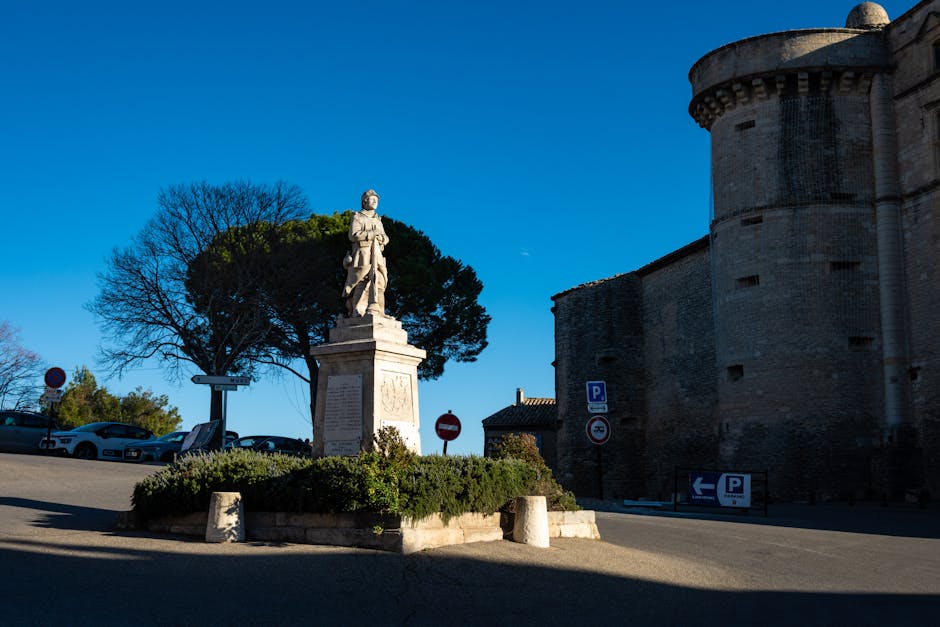
Moving From Castelnau (SW13): Parking and Access Guide
Posted on 07/05/2026
Moving day in Castelnau can feel straightforward on paper, then suddenly complicated the moment a van arrives and there's nowhere sensible to stop. Narrow residential streets, controlled parking bays, busy school runs, front garden walls, shared entrances, basement flats, and the usual London surprise of "just one quick delivery truck" all add up. This Moving From Castelnau (SW13): Parking and Access Guide is here to help you plan the practical side properly, so the move runs with fewer delays, fewer awkward conversations with neighbours, and a lot less last-minute stress.
Whether you're leaving a family house, a riverside flat, or a student let, access planning matters just as much as packing. In our experience, the difference between a smooth move and a chaotic one is often a small detail: where the van can wait, how far the team must carry boxes, whether there's a lift, or if a piano has to come down a tight stairwell. Sounds boring, maybe. But it saves time, money, and energy. And let's face it, on moving day you want fewer surprises, not more.

Why Moving From Castelnau (SW13): Parking and Access Guide Matters
Parking and access are not side issues. They shape the whole moving day. If the removal vehicle cannot park close enough, every box, sofa, wardrobe panel, and appliance has to be carried further. That increases the risk of damage and slows everything down. If access is awkward, the team may need extra loading time, more manpower, or special equipment. None of that is dramatic, but it does affect the move in a very real way.
Castelnau has a mix of property types, and that matters. Some homes have decent forecourts or driveways. Others rely on street parking, shared entrances, or tight access through side gates. Flats can be even trickier, especially where parking is controlled and the nearest legal loading spot is not right outside the building. If you're moving out of the area, you may also want to pair this guide with the street-by-street Castelnau moving guide for extra local context.
There's another reason it matters: parking problems are often the part people underestimate. Packing usually gets all the attention. The van, the route, the stairs, the lift, the neighbour's car that hasn't moved since breakfast - those details only become urgent on the day. The better you plan them in advance, the calmer everything feels.
Expert summary: In Castelnau, the best moving days are usually the ones where parking, loading distance, and access route are checked before the van turns up. It sounds simple because it is simple - but only if you do it early.
How Moving From Castelnau (SW13): Parking and Access Guide Works
The process is really a chain of small decisions. First, identify where the van can stop legally and safely. Then work out how the items will move from the property to the van. After that, check whether anything blocks the route: low branches, narrow staircases, tight bends, door widths, lifts, permit restrictions, or timed access limits. Once those points are clear, the rest of the move becomes much more manageable.
For many local moves, the practical aim is to get the vehicle as close as possible without creating trouble for residents, traffic, or your removal team. That may mean using a loading bay, a short-term suspension area, a private forecourt, or a sensible street position that does not block access. If you need a smaller vehicle for awkward roads or tight approaches, a man and van in Castelnau or a dedicated removal van service can be a good fit.
Access planning also includes the inside of the property. A beautiful front entrance means little if the sofa cannot turn the corner halfway up the stairs. That's where measuring, route checking, and common sense come in. If you are moving bulky items, the right approach may involve furniture removals in Castelnau or specialist handling for difficult pieces.
In practical terms, this is what good access planning does:
- reduces carrying distance
- cuts the risk of scraping walls, doors, and bannisters
- helps the team work faster and safer
- makes parking disputes less likely
- avoids wasting time searching for a last-minute spot
Key Benefits and Practical Advantages
The main benefit is obvious: a smoother move. But there are several smaller gains that are easy to miss until you've lived through both versions. Here's what good parking and access planning gives you.
Less physical strain. Shorter carry distances mean fewer trips, less fatigue, and a lower chance of knocking a corner or dropping a box. That matters especially if you have awkward items or limited help. If you want to understand the body mechanics behind safer handling, the guides on kinetic lifting techniques and solo heavy lifting techniques are useful reading.
Better time control. When the parking spot is sorted, the job can start on time. That means fewer delays if the road is busy, and less chance of the day overrunning into the evening when everyone is tired and slightly grumpy. The 4pm light fades quicker than people expect, by the way.
Lower risk of damage. Good access reduces the number of times heavy items need to be rotated, carried over thresholds, or manoeuvred around tight corners. If you are moving delicate items too, it can be worth reading specific advice such as how to relocate a bed and mattress or piano removals in Castelnau for especially tricky items.
Less friction with neighbours and building managers. Nobody enjoys a moving van blocking the pavement or lingering in a shared driveway longer than necessary. Clear planning keeps the whole thing more respectful and, truth be told, far less awkward.
| Access setup | Typical effect on move day | Best suited to |
|---|---|---|
| Van can park directly outside | Fast loading, fewer carries, lower risk | Houses with clear street access or private driveways |
| Short walk from legal parking | Still manageable, but slower and more tiring | Most residential streets with controlled parking |
| Restricted access or long carry | May need more time, more labour, or smaller loads | Flats, basement properties, or narrow streets |
Who This Is For and When It Makes Sense
This guide is useful for almost anyone moving out of SW13, but some people need it more than others.
Homeowners planning a full house move often have more furniture and more rooms to clear, which makes parking distance a bigger deal. If that sounds like your situation, a broader house removals service in Castelnau may be more suitable than simply hiring a vehicle and hoping for the best.
Flat movers face the classic London access puzzle: stairs, lifts, shared corridors, entry codes, and limited stopping space. For those moves, flat removals in Castelnau can be particularly helpful because the approach is usually more planned and more route-focused.
Students moving out of shared accommodation often need a quick, economical solution. If the move is light but the access is awkward, student removals in Castelnau can make far more sense than trying to juggle multiple taxi-sized loads and a parking headache at the same time.
Office movers need access planning for a different reason: time sensitivity. A workplace move often has fixed handover deadlines, IT equipment, and more people involved. For that, office removals in Castelnau are usually best organised well ahead of the actual date.
Anyone with bulky or fragile items should treat access as part of item protection. Furniture, appliances, mattresses, and instruments all behave differently on stairs and corners. If you are comparing service types, the services overview is a sensible place to start.
Step-by-Step Guidance
Here's a simple way to plan the parking and access side of a Castelnau move without overcomplicating it.
- Check the property access early. Walk the route from the main room to the street. Look for tight turns, low ceilings, steps, narrow hallways, and anything that could slow down a sofa, wardrobe, or appliance.
- Measure the key spaces. Door widths, stair landings, lift dimensions, and the length of the largest items all matter. It takes minutes, and it can save a lot of head-scratching later.
- Identify legal parking options. Look at nearby bays, loading restrictions, permit rules, time limits, and whether the van can stop without blocking neighbours or access points. If a street is tight, think about smaller vehicle options.
- Decide what needs to be moved first. Large furniture and awkward items should usually go early while the route is clear. That often includes beds, wardrobes, and white goods.
- Prepare the building and neighbours. Let people know the date and rough timing where appropriate. A small heads-up can prevent a surprisingly large amount of friction.
- Pack for faster loading. Well-labelled boxes, consistent sizes, and protective wrapping all help. For a deeper look at the logistics side, see packing tips for a smoother house move.
- Set aside bulky or specialist items. If you have a piano, freezer, or large sofa, plan those separately rather than treating them like ordinary boxes. That one decision often prevents damage.
- Confirm the move plan the day before. Small things change. Weather, roadworks, parking availability, and building access all have a habit of shifting at the last moment. Annoying, but normal.
If you are decluttering first, make that part of the plan too. Clearing out unwanted items can reduce loading time and make access easier. The guide on decluttering before your big move is a practical companion piece, and it's especially useful if your home has accumulated a few "we'll deal with that later" boxes. We all have them.
Expert Tips for Better Results
Here are the small, experienced-details that usually make the biggest difference.
1. Prioritise the shortest legal stop, not the nearest wishful one. It is tempting to assume the van can just pull up wherever feels convenient. Better to check the actual rules and work with them. A slightly longer legal carry is usually better than a rushed, awkward, or unsafe stop.
2. Protect turning points. Hallway corners, stair banisters, and door frames often take the first hit. Simple corner guards, blankets, and a clear walking route help more than people realise.
3. Keep one access route completely clear. Don't let coats, shoes, recycling bags, or random last-minute items creep into the moving path. That path should stay boringly empty.
4. Separate fragile items from general loads. A box of books can be stacked quickly. A TV, mirror, or glass table cannot. If you are unsure about a piece, treat it as delicate. Better safe than sorry, every time.
5. Ask about specialist handling for awkward items. Sofas, mattresses, pianos, and some appliances need more thought than a standard lift. Helpful related reading includes how to preserve a sofa during storage, how to store a freezer correctly, and why DIY piano moving can go wrong.
6. Build in a little buffer. If your move day starts at 9, treat 8:30 as the real mental start. That extra half-hour absorbs the small delays that always appear: parking checks, lift waiting, final packing, or a missing key. It sounds fussy. It isn't.
7. Choose the right service level. For some moves, a straightforward man with a van in Castelnau is ideal. For larger properties, a fuller removals service may be the better route because access issues are easier to manage with more structured support.
![A paved outdoor parking area near a residential building with a large tree providing shade, where a black scooter is parked on the right side. The parking lot contains a few other vehicles including a white car and a dark-colored sedan, with a building in the background displaying signage and flags hanging above. The area appears to be part of a local street scene, with the surroundings suggesting a close proximity to residential and commercial properties, suitable for home relocation or furniture transport services. Occasionally, [COMPANY_NAME] handles packing and loading during house removals in this area, involving careful positioning of furniture, boxes, and appliances near the van loading zone, which is just outside the visible frame.](/pub/blogphoto/moving-from-castelnau-sw13-parking-and-access-guide2.jpg)
Common Mistakes to Avoid
Most moving-day problems are not dramatic mistakes. They're small oversights that snowball.
- Assuming parking will "work itself out". It rarely does.
- Forgetting to measure larger items. A wardrobe that fits the room may still fail at the staircase.
- Leaving boxes in the hallway. That turns a passable route into an obstacle course.
- Ignoring resident or building restrictions. Shared access requires a little diplomacy.
- Not planning for rain. London weather does not ask permission. Wet boxes and slippery steps are not a good combination.
- Trying to do everything with too few hands. Heavy lifting is where people get injured or damage property. If you are unsure, get help.
One common local issue is underestimating how much extra time a long carry adds. A move that looks small can become slow if the van has to park around the corner. That's why access planning should sit alongside your packing plan, not after it. If you need wider practical support, the page on packing and boxes in Castelnau is worth a look too.
Tools, Resources and Recommendations
You do not need a huge toolkit, just the right basics.
- Measuring tape for doors, stair width, and furniture dimensions
- Phone camera for photographing access points and any awkward corners
- Sticky labels or marker pens for box identification
- Blankets, covers, and wrap for protecting furniture edges
- Gloves and sturdy footwear for better grip and fewer scrapes
- Basic route notes with parking details, entry codes, and contact numbers
For safety, it also helps to have a realistic view of what you can lift and what should be handled with support. The article on safe lifting fundamentals is useful if you are doing any of the smaller items yourself. And if you want the moving day itself to feel more organised, moving house stress-free gives a good wider framework.
If sustainability matters to you, ask about reuse, donation, and recycling where possible. The site's recycling and sustainability information is a sensible reference point if you are clearing items as part of the move.
For service planning and expectations, the most useful supporting pages are usually pricing and quotes, about us, and insurance and safety. Those pages help you judge the practical setup, not just the headline price.
Law, Compliance, Standards, or Best Practice
This kind of move sits in the real world, so compliance matters in a plain, sensible way. You generally need to follow local parking rules, loading restrictions, and any building-specific requirements that apply to your property. In London, that can include permit bays, time-limited waiting, yellow line restrictions, or access rules set by the building or managing agent. The exact rules depend on the street and the property, so always check the latest local guidance rather than relying on assumptions from a previous move.
From a best-practice point of view, the main principles are simple:
- park legally and safely
- avoid blocking pavements, driveways, or emergency access
- keep loading routes clear
- use suitable lifting methods and enough people for the load
- protect shared spaces, walls, flooring, and entrances
If your building has rules about moving times, lift booking, or contractor access, follow them. That is not just polite; it reduces the risk of delays and disputes. If the access feels uncertain, a removal provider that already understands local working practices is usually worth it. The page on health and safety policy can also give you confidence that proper procedures are being taken seriously.
One more careful note: if you are moving items that need special handling, such as a piano or heavy appliance, safety should come before speed. A quick move is nice. A safe move is better.
Options, Methods, or Comparison Table
Different moves call for different approaches. The right choice depends on your property, the amount of furniture, and how awkward the access is.
| Option | Best for | Strengths | Watch-outs |
|---|---|---|---|
| Standard man and van | Smaller moves, flexible access | Cost-effective, quick to arrange, good for mixed loads | May be less ideal for complex multi-room moves |
| Full removals team | Larger homes, more furniture, longer loading distance | Better coordination, more labour, easier handling of access issues | Usually more involved to plan |
| Specialist item service | Pianos, large sofas, fragile or awkward items | Designed for high-risk pieces, more protection | Not necessary for every move |
| Same-day support | Urgent or time-pressured moves | Fast response, useful when plans change late | Availability can be tighter |
If you are unsure which route fits your move, the broad removal services in Castelnau page is a useful starting point. For more urgent situations, same-day removals in Castelnau may be relevant, though it is always better to plan ahead if you can.
Case Study or Real-World Example
Imagine a couple moving from a first-floor flat in SW13 on a Friday morning. Their street has controlled parking, and the nearest obvious space is not directly outside the entrance. Nothing impossible. Just a bit fiddly.
They do three things well. First, they measure the sofa, mattress, and dining table before move day. Second, they speak to the building contact about lift access and the best loading window. Third, they clear the hallway and keep the larger boxes together near the door so the team can load them in one sequence rather than zig-zagging through the flat.
The move still takes work, of course. There is a pause while a neighbour leaves, and the van needs to stop a little further along the road than hoped. But because the team already knew the plan, they adapt without drama. The heavy items go first, the route stays clear, and the apartment is empty by late morning instead of drifting into the afternoon.
That's the real point. Good parking and access planning does not make a move magical. It makes the ordinary parts behave properly. Which, on moving day, is close enough to magic anyway.
Practical Checklist
Use this as a quick final run-through before the van arrives.
- Confirm the moving date and arrival window
- Check parking rules on your street and near the building
- Reserve or arrange any required access permissions
- Measure large furniture, doorways, stairs, and lift space
- Clear hallways, landings, and door thresholds
- Pack and label boxes clearly
- Set aside fragile, heavy, and specialist items separately
- Protect floors, corners, and furniture surfaces where needed
- Keep keys, entry codes, and contact numbers ready
- Brief everyone involved on the loading plan
- Have water, a phone charger, and basic supplies to hand
- Leave a bit of spare time for traffic or access delays
If you are still in the planning phase, the combination of pre-move cleaning tips, packing support, and access planning can take a huge amount of pressure off. Funny how the boring stuff often saves the day.
Conclusion
Moving out of Castelnau becomes much easier when you treat parking and access as part of the move itself, not an afterthought. Get the parking right, think through the route, and make sure the right services are in place for your property type. That one shift in planning can save time, protect your belongings, and make the whole day feel calmer.
Whether you are moving from a flat, a family home, or a property with awkward loading access, a little preparation goes a long way. Measure once, check twice, and keep the moving route as clear as you can. Simple advice, yes - but it works.
If you want support with a move that needs careful parking coordination, property access planning, or help with bulky items, a local removals team can make the process much easier from the start.
Get a free quote today and see how much you can save.
And if the day feels a bit too full and a bit too noisy, take a breath. The boxes will get there. They usually do.