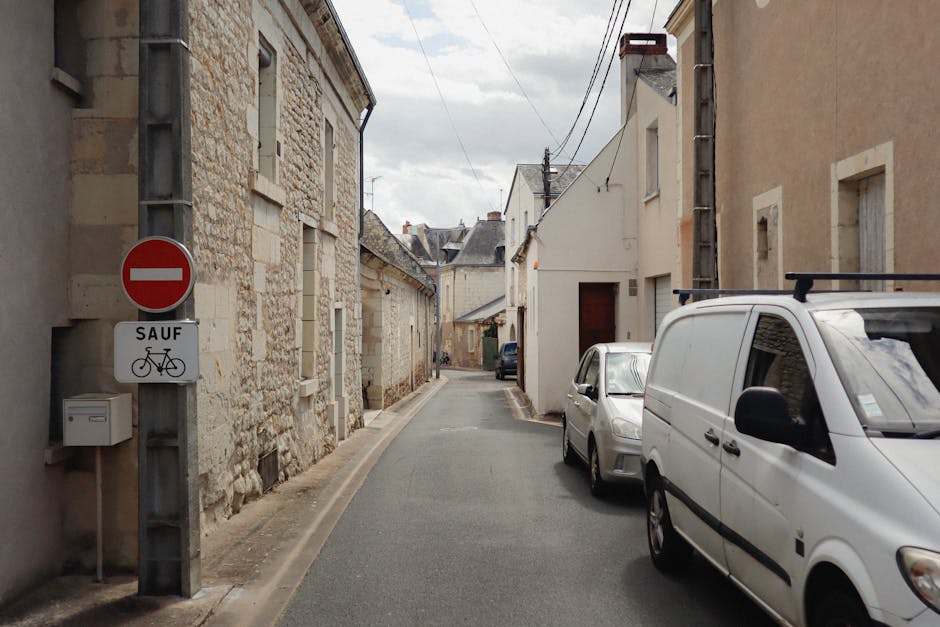
Moving Out of Castelnau? Your SW13 Street-by-Street Guide
Posted on 26/05/2026
Moving out of Castelnau is rarely just a matter of boxes and a van. SW13 has its own rhythm: tight residential streets, varied property layouts, parking that can be straightforward on one road and awkward on the next, and the usual mix of flats, family homes, and smaller access points that change how a move needs to be planned. If you are leaving the area, a street-by-street mindset can save time, reduce stress, and help you avoid the small mistakes that turn a moving day into a long afternoon.
This guide is built for people who want a practical, local-first approach. You will find what matters most when moving from different parts of Castelnau, how to plan your exit, what to do before the van arrives, and which decisions make the biggest difference on the day. Along the way, we will also point you to useful resources such as decluttering before your big move, packing like a pro, and specialist furniture removals support where the job calls for it.
If you are leaving Castelnau soon, the smartest thing you can do is plan for the street, not just the postcode. That one shift in thinking makes a surprisingly big difference.

Why Moving Out of Castelnau? Your SW13 Street-by-Street Guide Matters
Castelnau has a character that many moving guides simply ignore. It is not enough to say "book a van" and hope the rest sorts itself out. In real life, the practical demands change from one street to the next. A ground-floor maisonette with direct access is a very different job from a top-floor flat with a narrow stairwell, and both are different again from a family house with awkward front access or limited waiting space.
That is why a street-by-street approach matters. It helps you think about access, parking, lift availability, walking distance from front door to vehicle, and whether your furniture needs disassembly before it even leaves the property. If you are leaving a busy part of SW13, you may also need to think about how long the loading process will take and whether you should arrange the move for a quieter time of day.
It also matters because moving is one of those tasks where the hidden friction often causes the most damage. A sofa that fits the property may still be impossible to turn in a hallway. A mattress may be easy to carry but awkward on a stair bend. A freezer, left unprepared, can create unnecessary mess. The details are not glamorous, but they are exactly where a smooth move is won.
For many households, local knowledge beats generic moving advice. If you know what kind of access your street offers, how the parking tends to work, and which items need extra care, you can plan with much more confidence. That usually means fewer delays, less damage, and a calmer day overall.
How Moving Out of Castelnau? Your SW13 Street-by-Street Guide Works
The idea is simple: break the move down by location and logistics, then match the plan to the physical reality of the property. Instead of treating Castelnau as one uniform moving zone, you look at each road or property type as a slightly different moving puzzle.
Here is the basic working method:
- Assess the property layout. Check stairs, lifts, hallway width, door clearance, and where furniture has to turn.
- Review parking and loading access. Decide where the vehicle can safely stop, how far items must be carried, and whether permits or temporary arrangements may be needed.
- Sort the items by difficulty. Heavy, fragile, awkward, and bulky items should be identified early so they can be packed and loaded in the right order.
- Choose the right moving method. A small flat move may suit a lighter setup, while larger homes often benefit from more structured house removals planning and a larger crew.
- Prepare the home for exit. Clear pathways, label boxes, disconnect appliances safely, and keep essentials separate.
- Match timing to the street. Early starts, off-peak loading, and realistic time estimates help avoid the classic "we thought it would take half an hour" problem.
That process sounds technical, but it is really just common sense applied properly. The benefit is that it turns a vague stressor into a manageable sequence. If you want a broader overview of what a well-run move should look like, the services overview page is a useful starting point.
The same logic applies whether you are moving a studio flat, a family home, or a place full of furniture that has to be handled carefully. Planning by street and property access is the difference between "all done by lunch" and "why is the van still outside?".
Key Benefits and Practical Advantages
A street-by-street moving guide gives you several practical wins, and they add up quickly.
- Better time estimates: You are far less likely to underestimate loading, carrying, and parking time.
- Reduced risk of damage: Fewer rushed turns, fewer awkward lifts, and fewer last-minute decisions.
- Smarter packing: You can pack according to the rooms and item types that are most likely to cause problems.
- Less physical strain: Planning the lift route properly helps protect your back, shoulders, and hands.
- Cleaner handover: If you are leaving a rented property, a structured exit helps you leave it in better shape.
- More flexible budgeting: Understanding the scale of the move helps you get a realistic quote rather than guessing.
There is another benefit that people often miss: confidence. When you have already thought through the route, the access, and the awkward items, you make better decisions under pressure. That matters a lot once moving day starts and everyone is asking where the tape, keys, and kettle have gone.
For example, if you know that a large wardrobe will not safely make the turn in one piece, you can dismantle it in advance rather than discovering the problem halfway down the stairs. That one choice can save both time and stress.
And if you are not moving everything at once, you may also want to explore storage options so the move can happen in stages rather than all under pressure on a single day.
Who This Is For and When It Makes Sense
This guide is useful for a wide range of movers, not just families leaving large houses. In fact, some of the most complicated exits come from smaller properties where access is tight and everything has to be carried through communal areas.
It makes sense if you are:
- leaving a flat or maisonette in SW13
- moving from a house with restricted frontage or limited parking
- handling a move with bulky furniture or fragile items
- trying to keep costs down by planning the move efficiently
- working to a deadline such as tenancy end dates or completion day
- moving with children, older relatives, or pets and need the day to be orderly
It is also relevant if you are comparing move types. For example, a flat removal service may be better suited to a compact property with stairs and smaller loads, while a more comprehensive removal setup makes more sense for a fuller household move.
Students, first-time movers, and people relocating on short notice can benefit just as much. In those cases, the guide helps because it reduces guesswork. When the schedule is tight, clarity becomes a serious advantage.
Step-by-Step Guidance
If you want a practical route from "I need to move" to "everything is out," follow this sequence.
1. Walk the property with the move in mind
Start at the front door and physically trace the path items will take. Check stair widths, corners, ceiling height where relevant, and any doors that may need to be propped open. It is amazing how often one narrow landing changes the whole plan.
2. Declutter before you pack
The less you move, the easier the day becomes. Decluttering early helps you reduce box count, loading time, and disposal headaches. If you want a focused approach, see mastering decluttering before a big move.
Be ruthless, but sensible. Keep what you genuinely use, donate what still has life left in it, and recycle what is no longer fit for purpose.
3. Pack by room and by risk level
Group items by room, then separate fragile, heavy, and everyday essentials. This makes unpacking much easier and reduces the chance that a heavy item crushes something delicate. Good packing is not just neat; it is structural.
If you want a practical guide, the article on packing like a pro offers a solid framework. For supplies, packing boxes and materials are worth arranging before the rush.
4. Prepare special items separately
Some belongings need more than standard bubble wrap and a label. Beds, mattresses, pianos, glass furniture, and appliances often require specific handling. A mattress, for example, is easier to move safely if it is wrapped and protected properly; for a deeper look, read how to relocate a bed and mattress safely.
Likewise, if you are moving a piano, it is usually worth using specialist help rather than improvising. There is a reason experienced movers treat pianos as a separate category entirely.
5. Confirm access, timing, and vehicle size
Choose the right vehicle for the job and make sure the route from property to van is realistic. If the street is tight, loading time may matter more than mileage. If parking is awkward, a shorter carry can save a lot of strain and delay.
This is also the point where many people decide between a small man-and-van style move and a larger removals service. If you are unsure, a quote discussion can be surprisingly useful because it forces the practical questions onto the table. You can start that process through the pricing and quotes page.
6. Keep one essentials box separate
Your essentials box should not end up buried under lampshades and winter coats. Put in chargers, toiletries, a kettle, simple snacks, important documents, medication, and a change of clothes. It sounds obvious until you arrive tired and cannot find the kettle. Then it becomes suddenly brilliant.
7. Load in the right order
Heavy, solid items usually go first, with lighter and more fragile items added after. Good loading is not just about filling space; it is about keeping the vehicle stable and making unloading manageable at the other end.
If your move includes lots of furniture, consider reading more about furniture removals in Castelnau so you can match the method to the items.
Expert Tips for Better Results
Some small choices make a big difference on moving day. These are the ones that matter most.
- Measure awkward items twice. Do not assume the sofa will fit because it has always lived there comfortably.
- Label boxes by room and priority. "Kitchen - open first" is more useful than a vague marker label.
- Protect floors and corners. Simple coverings prevent avoidable scuffs in both the old and new property.
- Disassemble early where possible. Flat-pack items, bed frames, and shelving are easier to manage if broken down in advance.
- Reserve your energy for the hard items. Do not waste the first hour trying to over-organise the easiest boxes.
- Plan for weather. A wet day in London can turn a short carry into a slippery, slow one.
For heavy objects, use proper technique rather than force. The idea behind kinetic lifting is to keep the movement controlled, balanced, and shared when needed. If you want a plain-English explanation, read the fundamentals of kinetic lifting and pair it with sensible help from solo heavy lifting techniques only when the load is genuinely manageable.
Also, if you are moving a freezer, defrost and dry it properly ahead of time. That avoids leaks, smells, and the unpleasant surprise of handling a dripping appliance at the last minute. There is a useful guide on storing a freezer correctly when not in use.

Common Mistakes to Avoid
Most moving problems are predictable. That is the good news. The bad news is that they are still very easy to repeat if you are rushing.
- Underestimating access issues: A road can look simple on paper and still be awkward for loading.
- Leaving packing too late: Half-packed homes create confusion and increase breakage risk.
- Ignoring the awkward items: Furniture, mattresses, and appliances need more than basic optimism.
- Not checking parking arrangements: This can add stress, delay, and unnecessary carrying distance.
- Skipping decluttering: Moving items you no longer need wastes time and money.
- Forgetting to prepare the old property: A poor leave condition can create avoidable disputes or extra cleaning work.
Another common mistake is treating a move as a single task instead of a chain of smaller ones. Once you see it that way, the right order becomes much easier to follow. Clean-out, pack, protect, load, unload, settle. Simple, but effective.
If leaving the property in a good condition matters, this guide on house cleaning before relocating is worth a look. A tidy exit often makes the whole handover smoother.
Tools, Resources and Recommendations
You do not need a warehouse of equipment to move well, but the right tools reduce effort and risk.
- Strong boxes: Use consistent sizes where possible for safer stacking.
- Packing tape and markers: Basic, but absolutely essential.
- Furniture covers and wraps: Good for protecting edges, upholstery, and polished surfaces.
- Straps and trolleys: Particularly useful for heavier or awkward items.
- Mattress protectors: Worth using if the mattress is going into storage or through wet conditions.
- Cleaning supplies: For final checks, quick wipe-downs, and the occasional surprise spill.
In terms of services, it helps to know what is available before you decide how much to do yourself. A well-structured removals service in Castelnau can simplify the day considerably, while a man and van option may suit smaller, lighter moves.
If your move is time-sensitive, a same-day option can be useful in the right circumstances, particularly where timings have shifted and you need a fast response. If you are moving for work, family, or tenancy reasons, that kind of flexibility can be a genuine relief.
For trust and service confidence, review operational pages such as insurance and safety and about us. They help you understand how a provider approaches risk, care, and customer service.
Law, Compliance, Standards, or Best Practice
For most residential moves, the key compliance issues are practical rather than complicated, but they still matter. You should always make sure pathways are kept clear, lifting is done safely, and vehicles are loaded in a way that does not create avoidable danger to people or property.
Where parking or loading space is involved, it is sensible to check local expectations in advance rather than assuming everything will be fine on the day. If a permit, suspension, or temporary arrangement is needed, deal with it early. It is much easier than trying to solve a parking problem while a sofa is balanced on a pavement.
Best practice also includes:
- using safe lifting technique and not overloading one person
- separating fragile, sharp, and heavy items clearly
- keeping children and pets away from active loading areas
- making sure appliances are disconnected safely before moving
- checking that any hired service is transparent about terms, safety, and liability
For service-related trust signals, it is worth reviewing pages such as terms and conditions, health and safety policy, and complaints procedure. These pages do not make the move itself easier, but they do show how a business handles its responsibilities.
If you are disposing of items or planning a lighter-footprint move, the recycling and sustainability page is also relevant. Reuse and responsible disposal are often the most sensible options for unwanted furniture and packaging.
Options, Methods, or Comparison Table
Choosing how to move out of Castelnau usually comes down to the scale of the property, the amount of furniture, and how much help you want on the day.
| Method | Best For | Strengths | Trade-Offs |
|---|---|---|---|
| Man and van | Small flats, lighter loads, short local moves | Flexible, straightforward, often efficient | Less suitable for larger or more complex house moves |
| Full removals service | Family homes, many rooms, fragile or heavy items | More support, better for structured loading and carrying | Usually more planning and coordination involved |
| Hybrid approach | Moves with some professional help and some self-managed packing | Good balance of control and support | You still need to manage the packing and preparation carefully |
| Storage plus staged move | Overlapping dates, decluttering, or space constraints | Reduces pressure and gives more flexibility | Requires an extra step and more organisation |
In practice, the right method is not always the largest one; it is the one that best fits the street, the access, and the amount of handling required. That is why a quick conversation about your exact move can be more valuable than a generic quote form.
Case Study or Real-World Example
Consider a typical SW13 move: a two-bedroom flat in a period property, no lift, narrow staircase, and a few awkward pieces of furniture. On paper, it sounds simple enough. In reality, the stairs make the sofa the real challenge, the mattress needs careful handling, and the boxed kitchen items take longer to carry than expected because the front access is tight.
The successful version of this move usually looks like this:
- the couple declutters one week ahead and removes duplicate household items
- the bed frame is dismantled before moving day
- the mattress is wrapped and kept separate from dusty boxes
- fragile kitchenware is packed in smaller boxes rather than oversized ones
- the removal vehicle is positioned as close as practical to the entrance
- an essentials box is kept aside for the first night
The result is not dramatic, and that is exactly the point. Nothing goes viral in a good move. It just gets done without panic, breakages, or last-minute improvisation. If there is one lesson here, it is that a calm, methodical approach beats last-minute heroics almost every time.
For larger or specialist items, a bit of expert support can be worth more than trying to save a small amount of money. A fragile heirloom cabinet or a piano is not the place for a trial run.
Practical Checklist
Use this before your moving date to stay in control.
- Confirm your moving date and any access restrictions
- Check where the van can park and how long it can stay
- Book the right vehicle or removals support for the load
- Declutter rooms before packing begins
- Gather boxes, tape, markers, wraps, and covers
- Pack one room at a time where possible
- Label fragile items clearly and pack them tightly
- Dismantle beds, shelving, and bulky furniture early
- Prepare appliances such as freezers and washing machines properly
- Set aside an essentials box and keep documents with you
- Protect floors, corners, and surfaces during loading
- Do a final sweep of cupboards, loft spaces, and storage areas
- Take meter readings and keep key handover items together
- Leave cleaning materials ready for the final tidy-up
Expert summary: the best Castelnau move is the one that respects the street, the property, and the items being moved. Plan access first, pack smart, and use specialist help where the job becomes physically awkward or fragile.
Conclusion
Moving out of Castelnau is much easier when you stop thinking of it as one generic move and start treating it as a street-by-street planning exercise. That approach helps you manage access, parking, packing, furniture handling, timing, and the many small details that shape the day. It also gives you a better sense of which tasks you can handle yourself and where professional support makes more sense.
If you prepare early, keep your packing disciplined, and choose the right method for the property, the move becomes far more predictable. You do not need perfection. You just need a plan that fits the real conditions of SW13.
If you are still weighing up your next step, start with the details: what needs moving, how the property is accessed, and whether you need support with heavy or awkward items. Once those answers are clear, everything else gets easier.
Get a free quote today and see how much you can save.